



Clear Your Mind and Open Your Heart
Daniel Ahearn shares an article and accompanying video teaching you the how and why of the Nine Breaths of Purification, a foundational practice from the Bön tradition.

Deep Dive
No Self
Buddhist teachers on the core concept of anatta — that our personalities (ego) are neither fixed nor eternal, and are therefore changeable. It’s one of Buddhism’s three marks of existence; reckoning with the truth of no-self is essential to our liberation.


Beyond No-Self
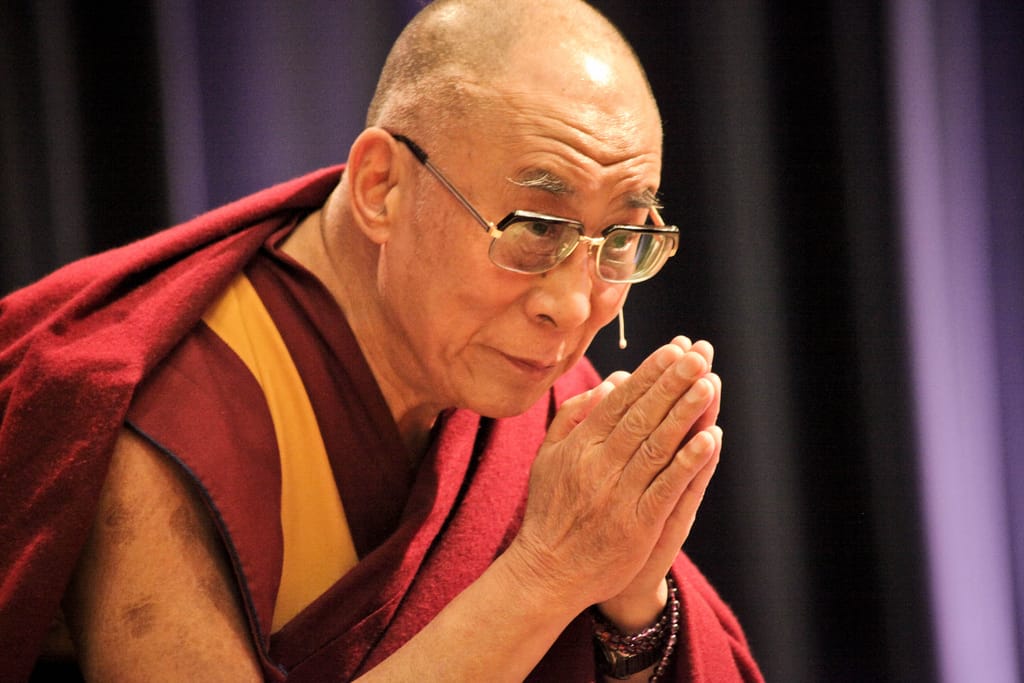
While insight into the truth of no-self, is an important step, says the Dalai Lama, it doesn’t go far enough.

Transforming Self-Comparison Through No-Self
Eda Ocak reflects on how meditation practice and the Buddha’s message of no-self transformed her habit of self-comparison.


What “No Self” Really Means
The journey of awakening, says Buddhist teacher Gaylon Ferguson, begins by examining our usual beliefs about who we are. Because maybe we’ve got it wrong.

Healthy Self or No Self?
Modern psychology encourages us to have a healthy sense of self, but Buddhism teaches that the self doesn’t even exist. Barry Magid says there’s no conflict.

The Treasure of the Teacher
“You do the practice, you realize the way,” writes Norman Fischer. “And yet you must begin by finding a teacher you can have faith in.”
Always a Student
Three dharma teachers on what they continue to learn from their current teachers.
Ever Present
Five dharma teachers recall formative teachers of their own who have passed away, but in their ways, remain.

Buddhadharma on Books: Winter 2023
Constance Kassor reviews “Notebooks of a Wandering Monk” by Matthieu Ricard, “Illumination” by Rebecca Li, “The Buddhist Tantras” by David B. Gray, and more.
The Treasure of the Teacher
“You do the practice, you realize the way,” writes Norman Fischer. “And yet you must begin by finding a teacher you can have faith in.”
Always a Student
Three dharma teachers on what they continue to learn from their current teachers.
Ever Present
Five dharma teachers recall formative teachers of their own who have passed away, but in their ways, remain.
Buddhadharma on Books: Winter 2023
Constance Kassor reviews “Notebooks of a Wandering Monk” by Matthieu Ricard, “Illumination” by Rebecca Li, “The Buddhist Tantras” by David B. Gray, and more.
Living Buddhist Ethics
Looking primarily at the three sila aspects of the Buddha’s eightfold path—right action, right speech, and right livelihood—leading dharma figures explain how, as Buddhists in today’s world, we can live ethically, and in accord with what the dharma teaches.
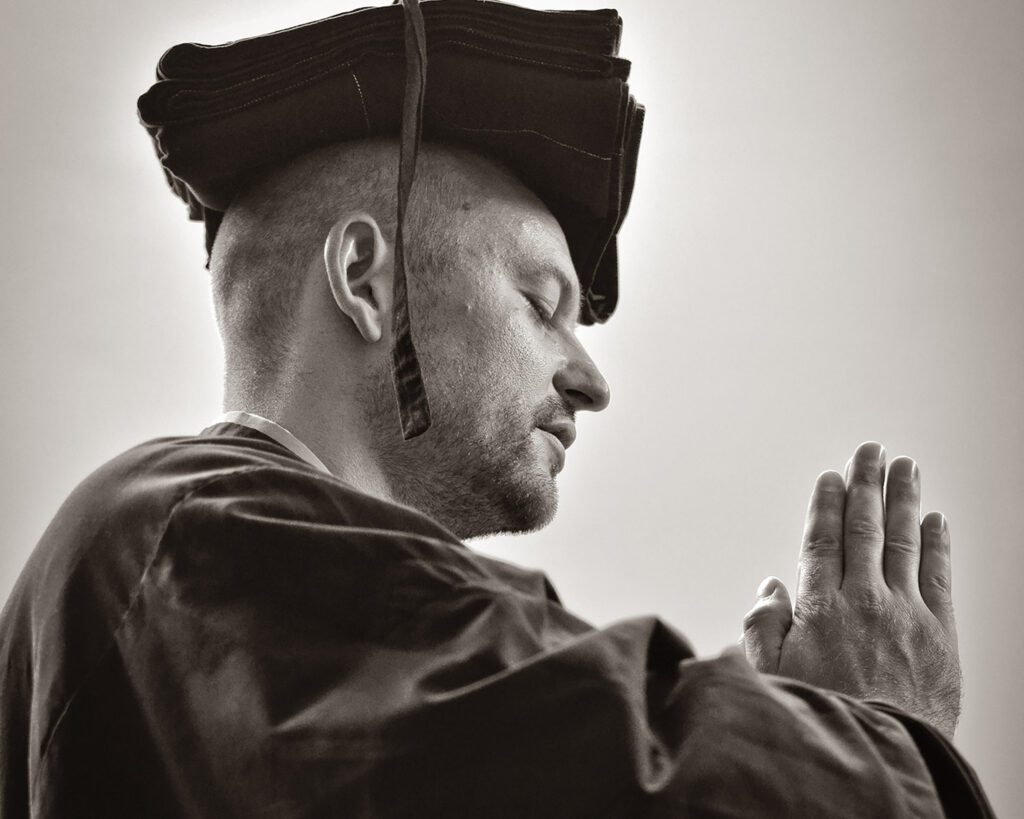
Ethics, Meditation, and Wisdom
Norman Fischer on how sila, samadhi, and prajna work together to give us stability on the Buddhist path to liberation.
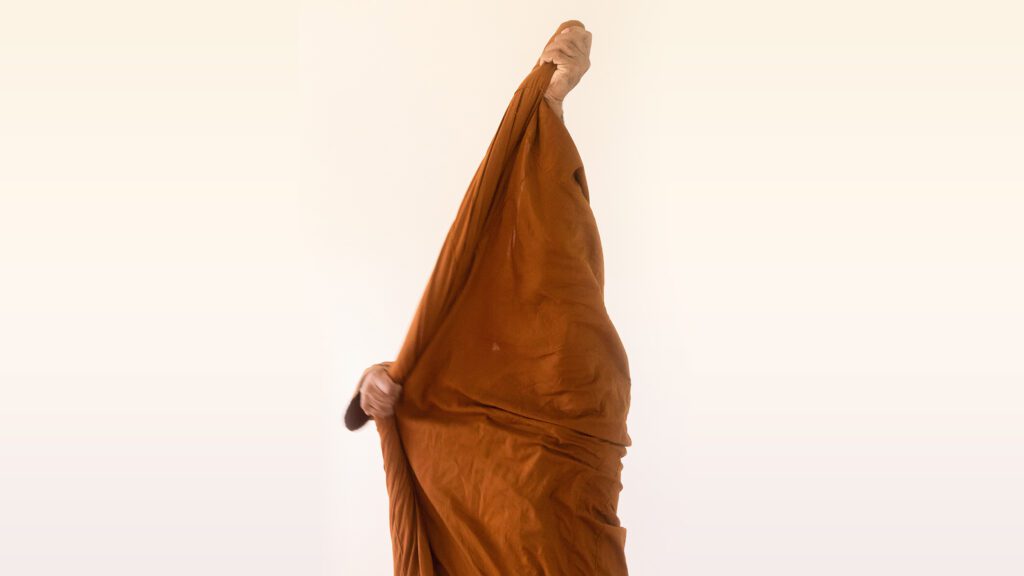
Understanding the Vinaya
Amy Paris Langenberg on the history, evolution, and modern manifestations of the training rules followed by Buddhist monastics.

Dukkha as a Doorway to Liberation
Scott Tusa on how Buddhist ethics transcend mere morality and help us to realize awakening.
The Six Dharmas of Naropa
Considered a fast track to buddhahood, the Six Dharmas are advanced tantric practices including tummo (inner heat), yoga of the dream state, resting in luminosity, and more. Featuring an overview by Pema Khandro Rinpoche, plus in-depth teachings by specialists in each of the Six Dharmas.
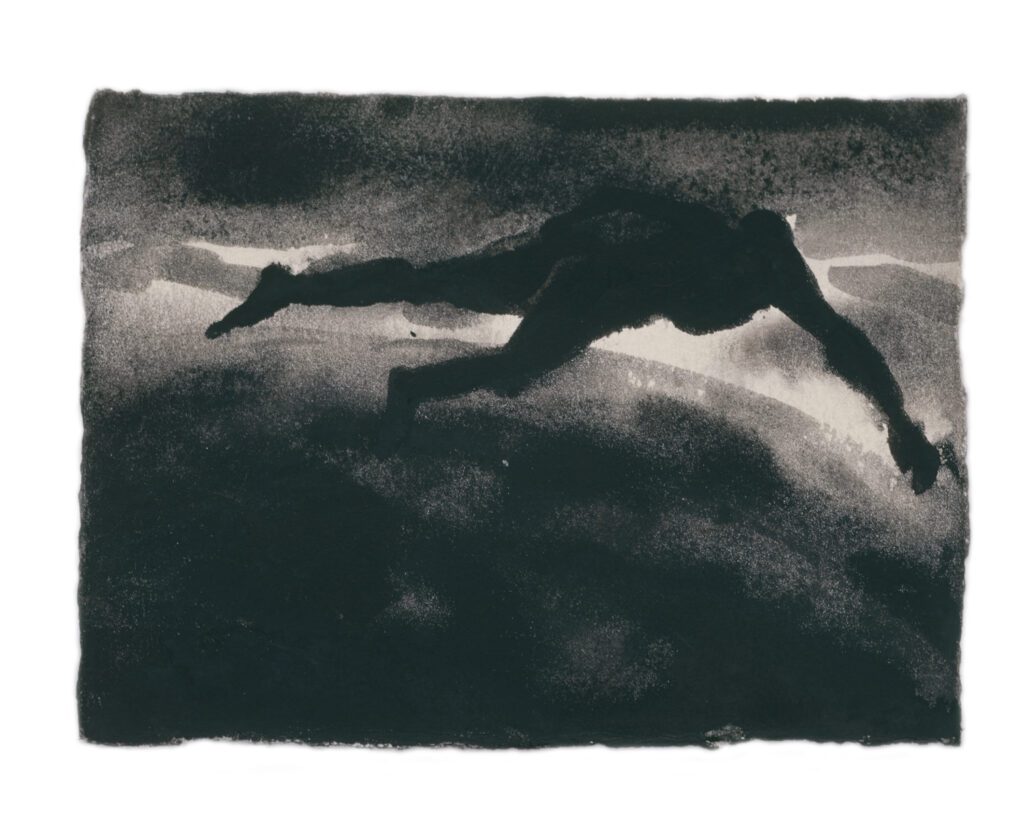
The Swift Path to Buddhahood
Pema Khandro on the fascinating history, practice, and purpose of the Six Dharmas of Naropa.
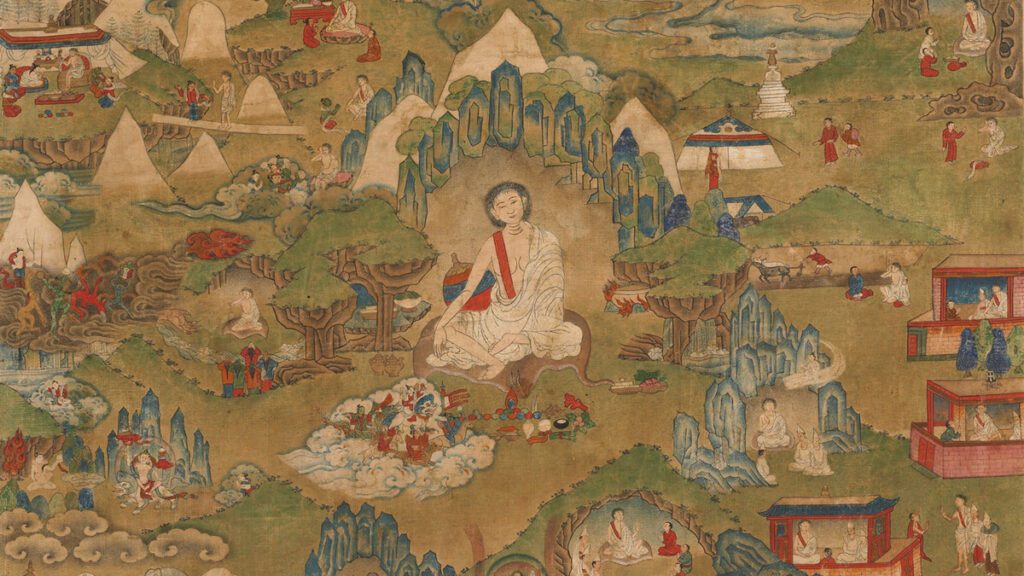
The Practice of Fierce Inner Heat
Judith Simmer-Brown on tummo, one of the most famous esoteric practices of Tibetan Vajrayana and the Six Dharmas. What is it, what are its benefits, and what role does it play in our journey to enlightenment?

A Wake-Up Call
Andrew Holecek on bardo, one of the Six Dharmas of Naropa’s two practices for helping us find our way, when the time comes, through the death experience. It can help us in life, too.
Buddhanature
Buddhanature is a Mahayana Buddhist concept that, while foundational, can sometimes be confounding. Here, great Buddhist thinkers of the present and past shine a prismatic light on buddhanature so that we might all better recognize the potential for awakening within.
Why Buddhanature Matters
Lopen Karma Phuntsho, writer-in-residence for Tsadra Foundation’s Buddha-Nature project, takes a look at the history and development of the Mahayana concept of buddhanature.

The World Between Breaths
Vanessa Zuisei Goddard on the famous Zen koan “Mu,” and how it helps us dive into buddhanature.
To Be or Not To Be? Be a Buddha!
Looking at the words of classical texts, Karl Brunnhölzl explores the notions of buddhanature and emptiness—how they may be understood as one and the same, and how they are not identical.
The Teacher & The Student
All about this most crucial of dharma relationships—what a teacher (ideally) is, how to know when one is right (or wrong) for you, how to be a student, understanding the guru-disciple bond in Vajrayana Buddhism, and more.
The Treasure of the Teacher
“You do the practice, you realize the way,” writes Norman Fischer. “And yet you must begin by finding a teacher you can have faith in.”
A Meeting of Minds
Anne C. Klein on the importance of listening, relating, and actively engaging with our teachers as the foundation for a genuine, transformative connection with them.

When You Are Ready…
Willa Blythe Baker on the many forms in which our teachers might manifest, including even our body and our community.
“The challenge for me is to join together the strong need to provide something that makes sense to the reader with the need to maintain the integrity of the original and show how ideas are interwoven throughout an entire work or body of works. Every translator is always striking this balance.”
—Elizabeth Callahan

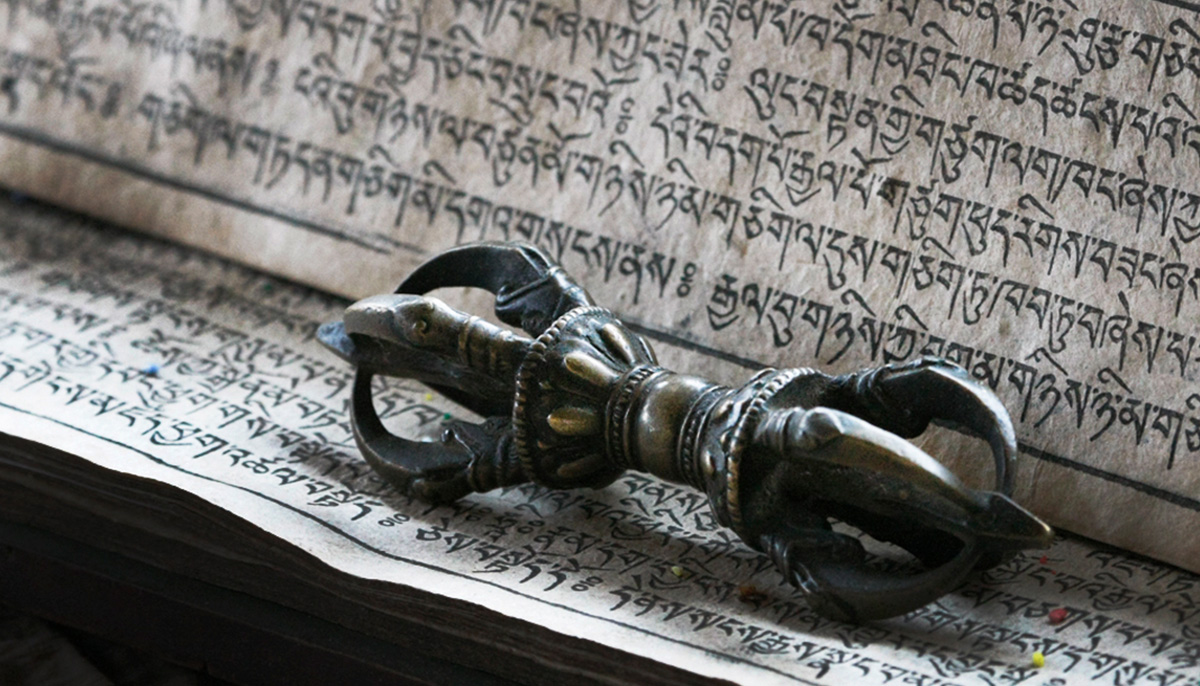
How Learning Tibetan Changed the Way I Think
Translator Estefania Duque shares her journey studying Tibetan, revealing how language shapes the mind, influences perspective, and offers spiritual inspiration.
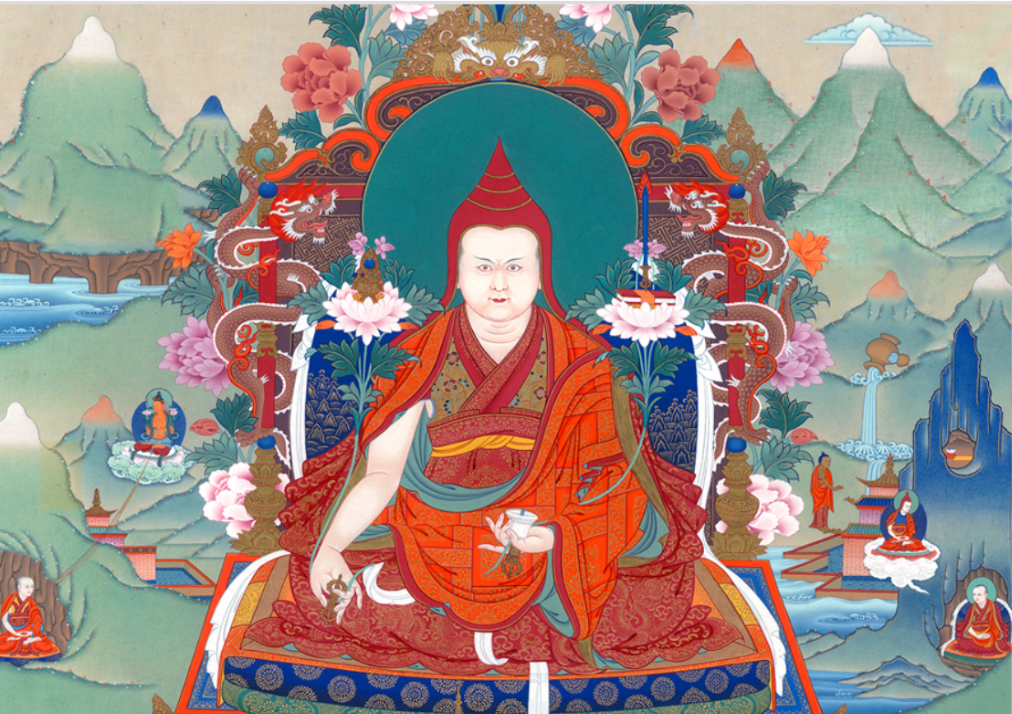
Khyentse Vision Project & the Future of Buddhist Translation
Khyentse Vision Project executive director Dolma Gunther talks about how the Project contributes to the world of dharma translation, the launch of its new reading room, and the importance of translating Khyentse Wangpo’s works for modern practitioners.
Exploring AI and Buddhism: A Conversation with Khyentse Vision Project
Buddhadharma’s Mariana Restrepo interviewed KVP’s Dolma Gunther, Casey Forgues, and Zack Beer about AI’s impact on Buddhism and its significance for translators and practitioners.
The Treasure of the Teacher
“You do the practice, you realize the way,” writes Norman Fischer. “And yet you must begin by finding a teacher you can have faith in.”
Always a Student
Three dharma teachers on what they continue to learn from their current teachers.
Ever Present
Five dharma teachers recall formative teachers of their own who have passed away, but in their ways, remain.
Buddhadharma on Books: Winter 2023
Constance Kassor reviews “Notebooks of a Wandering Monk” by Matthieu Ricard, “Illumination” by Rebecca Li, “The Buddhist Tantras” by David B. Gray, and more.

Why Meditation Alone Can’t Heal Every Wound
Amma Thanasanti asks “the question that won’t go away”: If a dharma teacher has authentic awakening, how could they still be able to cause so much harm?
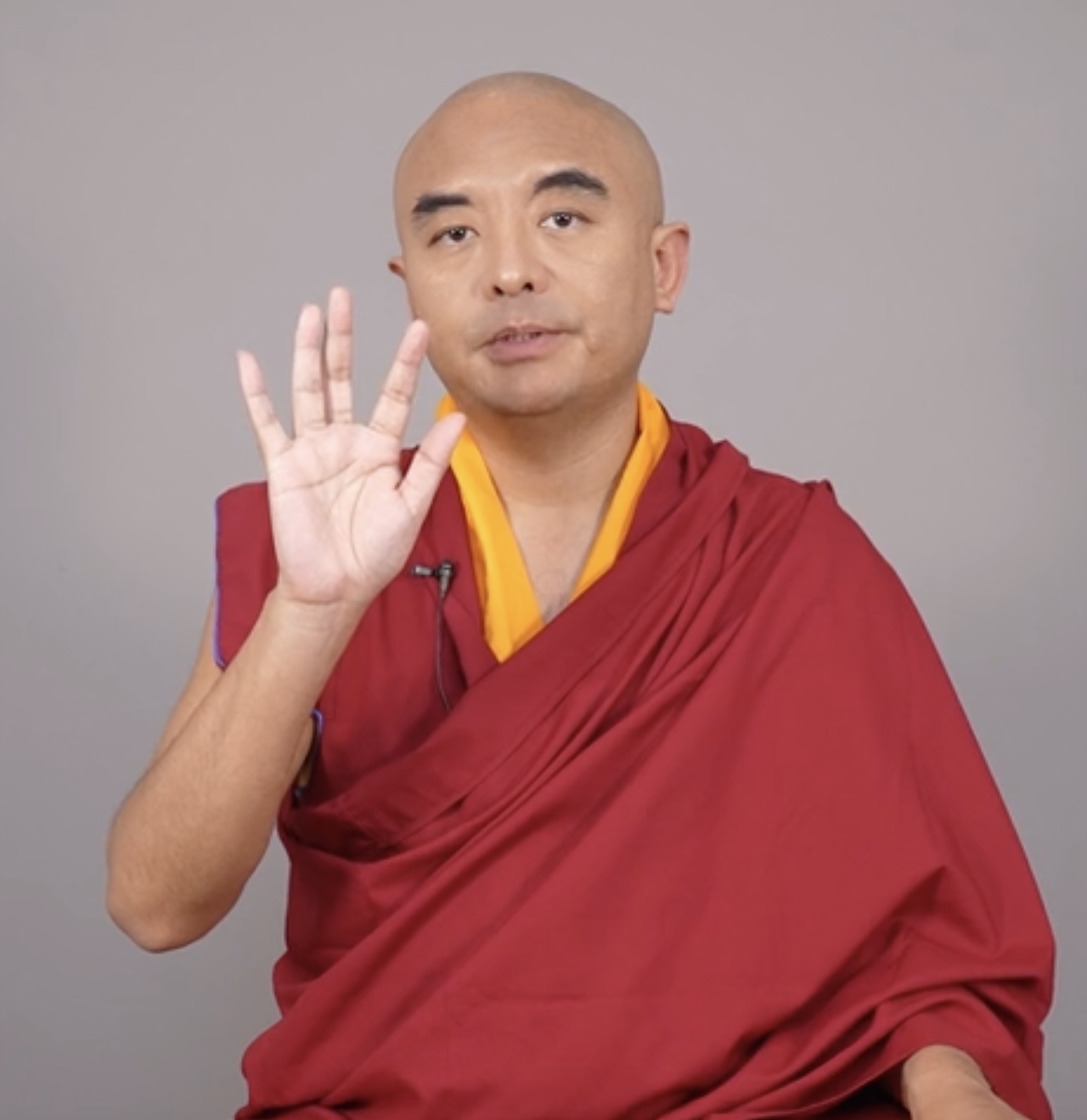
Three Ways of Working with Emotions
Yongey Mingyur Rinpoche shares a new article and video on the five kleshas — ignorance, aversion, craving, pride, jealousy — how they lead to suffering, and how not to let them.

Dharma Books: Excerpts
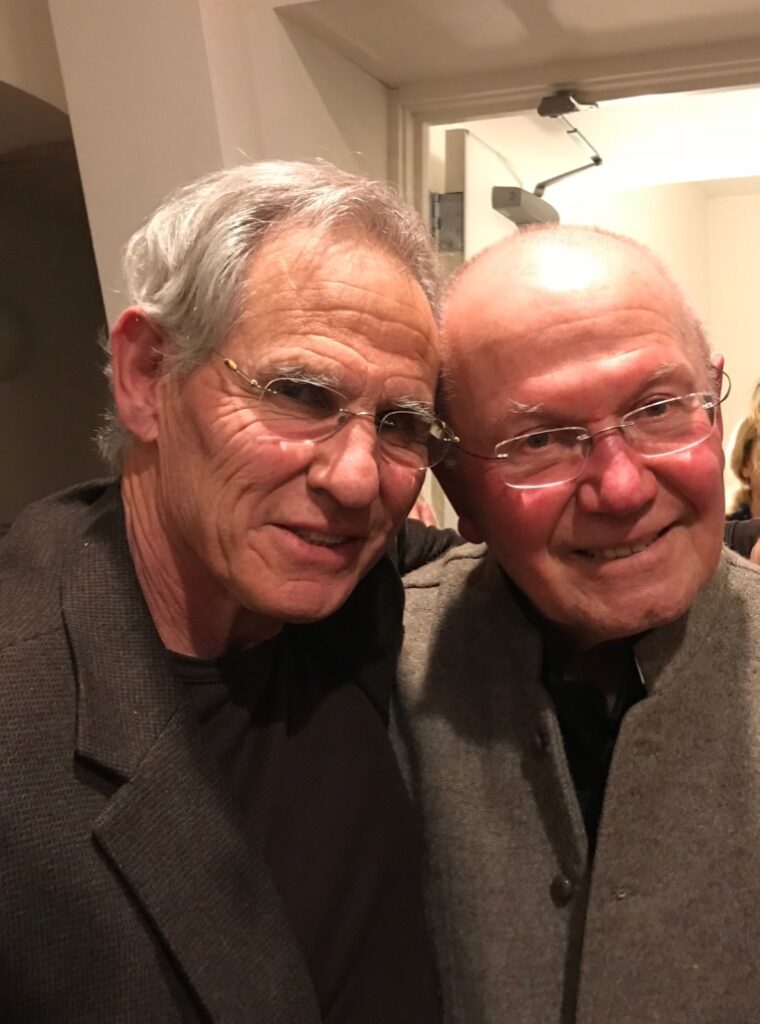


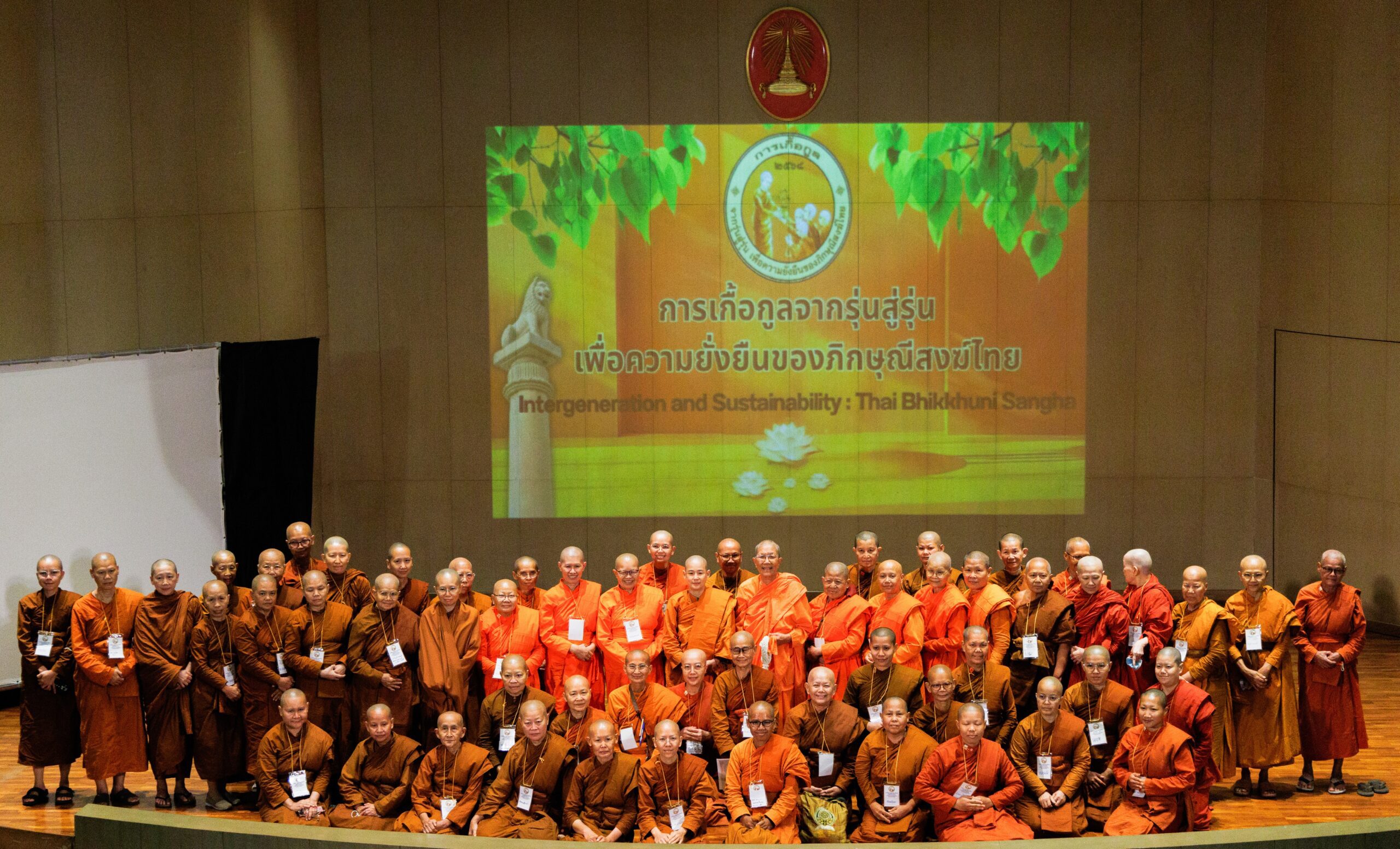
Dhammananda Bhikkhuni Hosts Groundbreaking Conference for Thai Bhikkhuni Sangha
Cindy Rasicot, author of This Fresh Existence: Heart Teachings of Bhikkhuni Dhammananda, shares a report from this historic event.
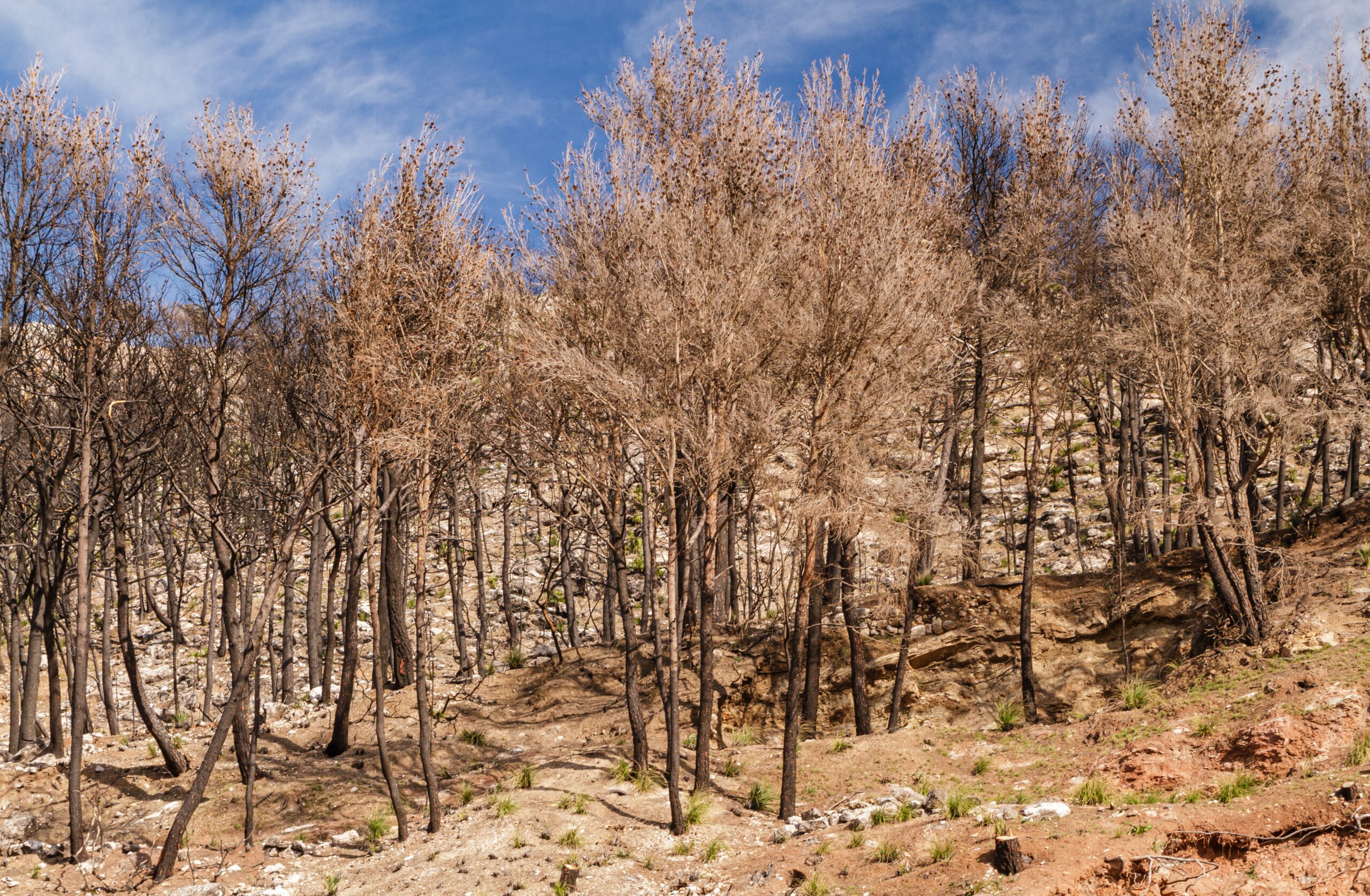
A Buddhist Response to “Climate Overshoot”
“Catastrophic climate chaos has become a fact,” writes Colin H. Simonds. “Once-in-a-generation disasters have become near-yearly events thanks to anthropogenic climate change. In the midst of these effects of our climate overshoot paradigm, what is a Buddhist to do?”
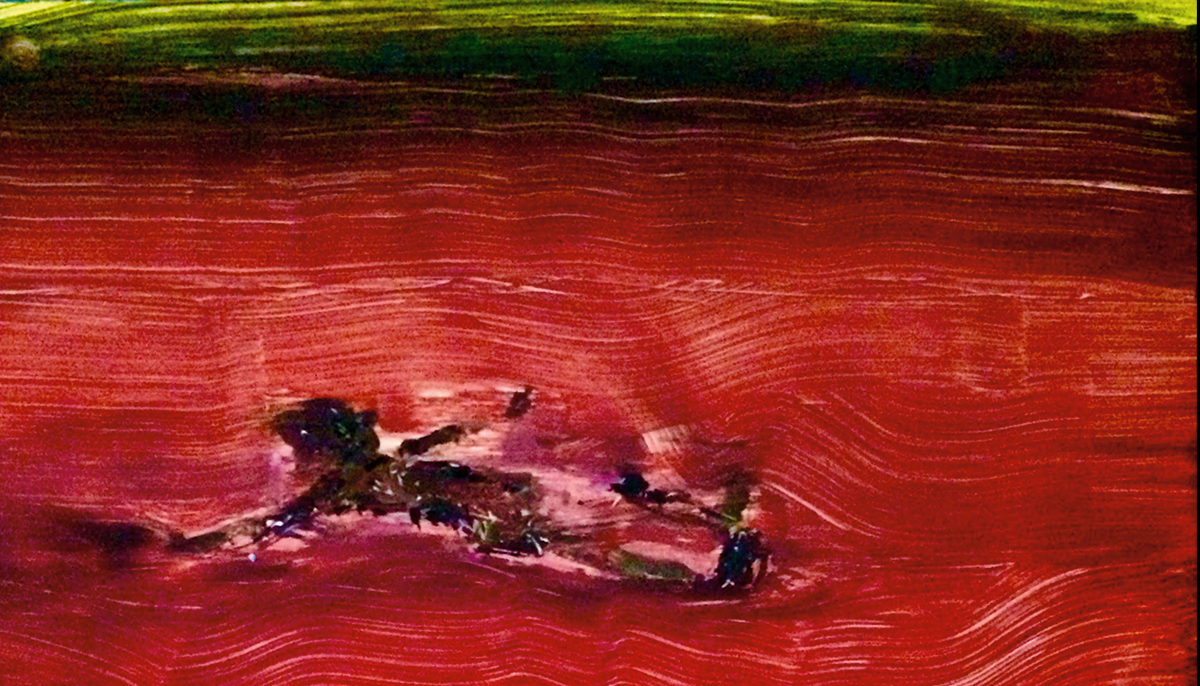
When We Have No Choice
Sometimes, says Pema Khandro, there’s no way out. It’s at those times that we can discover the depth and resilience of the mind.

How YouTube Is Changing Buddhist Pilgrimage and Re-Historicizing Buddhism’s Past
Nikhil Stewart shares what he’s learned by interviewing 30 monks about how vlogging (video-blogging) has impacted Buddhist pilgrimage — online, and “IRL.”
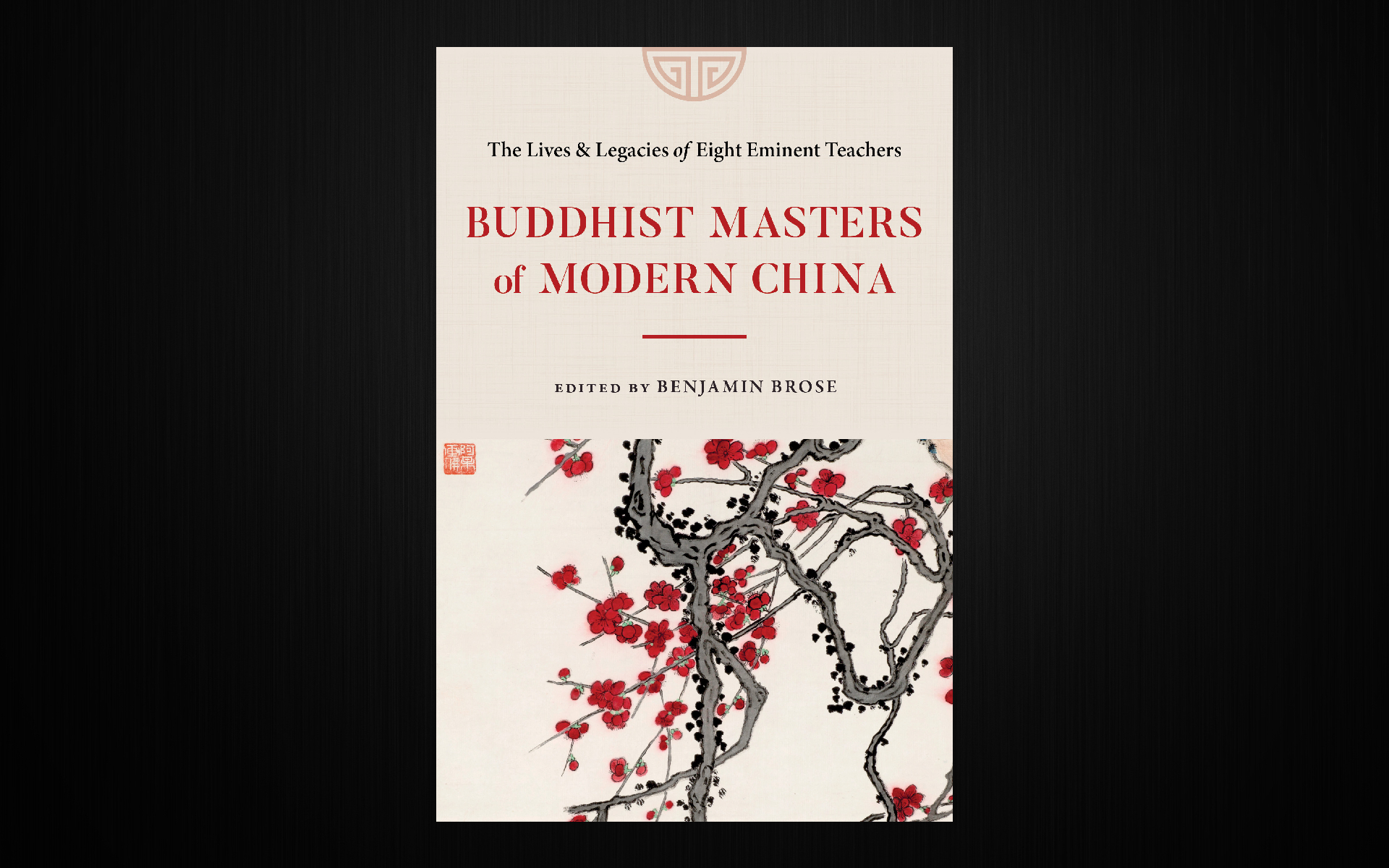
Buddhist Masters of Modern China: The Lives and Legacies of Eight Eminent Teachers
Read a review of Buddhist Masters of Modern China: The Lives and Legacies of Eight Eminent Teachers edited by Benjamin Brose, published by Shambhala Publications.
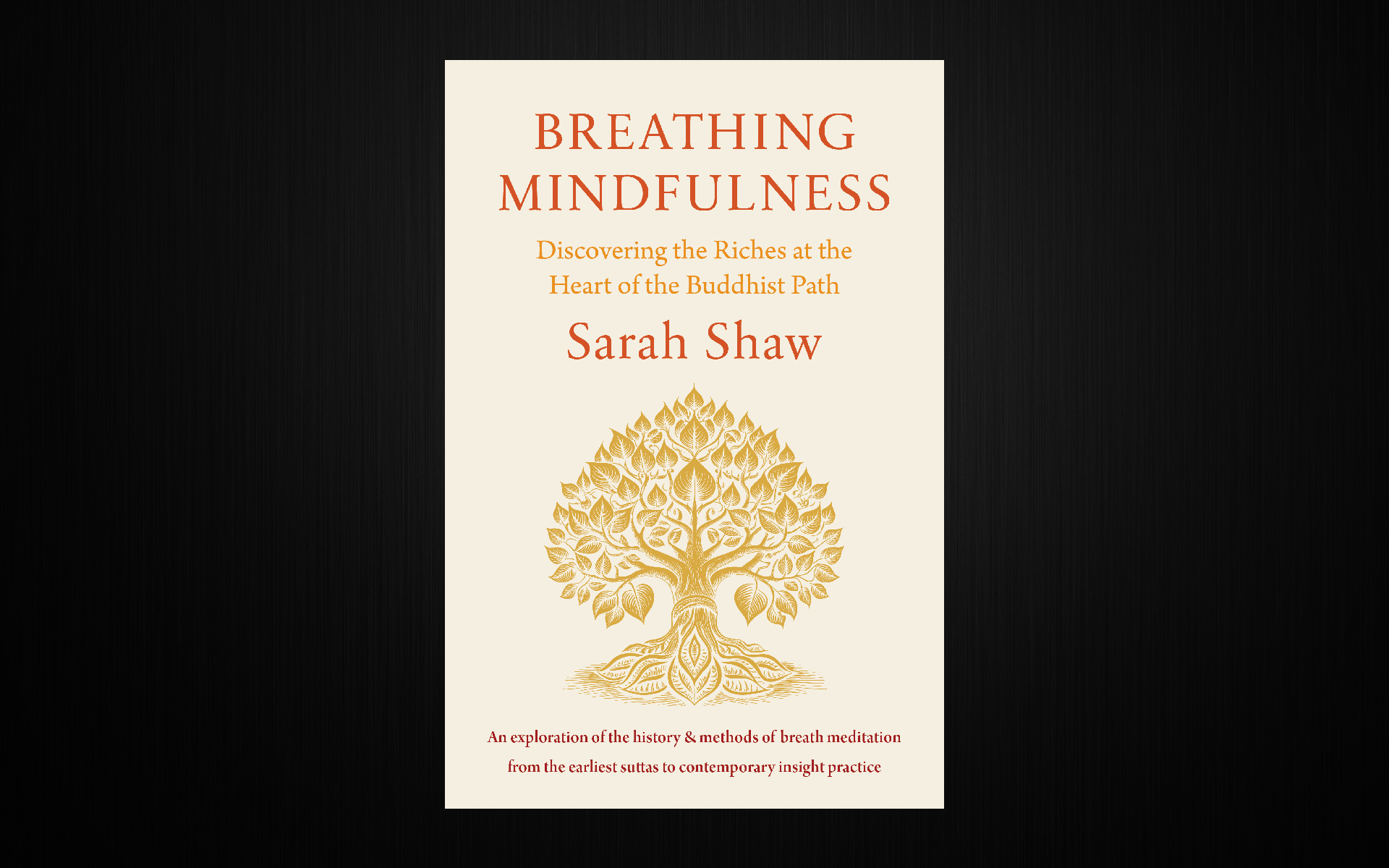
Breathing Mindfulness: Discovering the Riches at the Heart of the Buddhist Path
Read a review of Sarah Shaw’s Breathing Mindfulness: Discovering the Riches at the Heart of the Buddhist Path, published by Shambhala Publications.
Buddhism A–Z
Learn all about key Buddhist terms, concepts, and traditions in our in-depth glossary — perfect for beginners and committed dharma practitioners alike.
TK
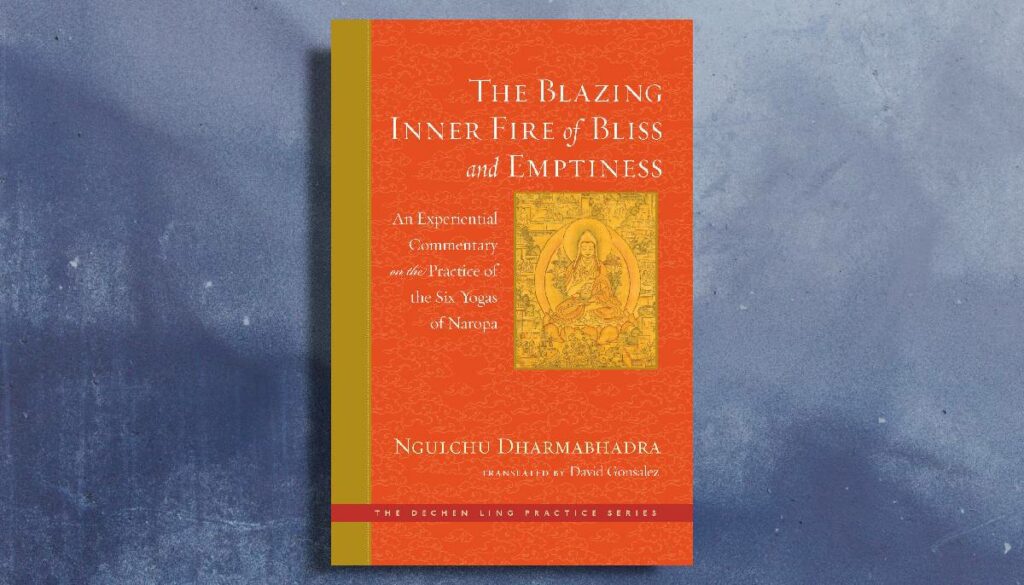
Blazing Inner Fire
Read an excerpt from From The Blazing Inner Fire of Bliss and Emptiness by Ngulchu Dharmabhadra, translated by David Gonsalez, courtesy of its publisher, Wisdom Publications.
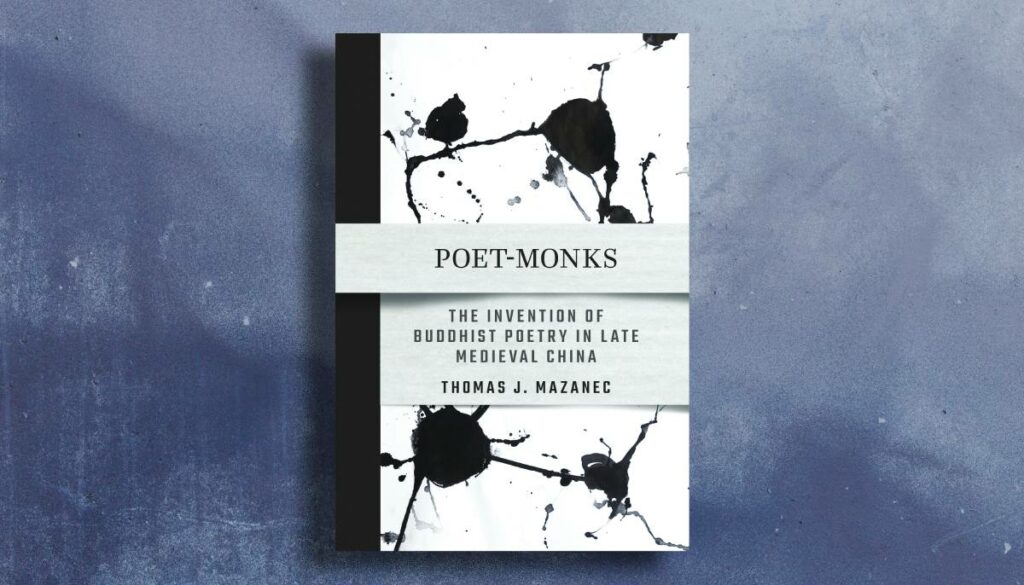
The Two Gates
Read a brief of Poet-Monks: The Invention of Buddhist Poetry in Late Medieval China, by Thomas J. Mazanec and an exclusive excerpt courtesy of its publisher, Cornell University Press.
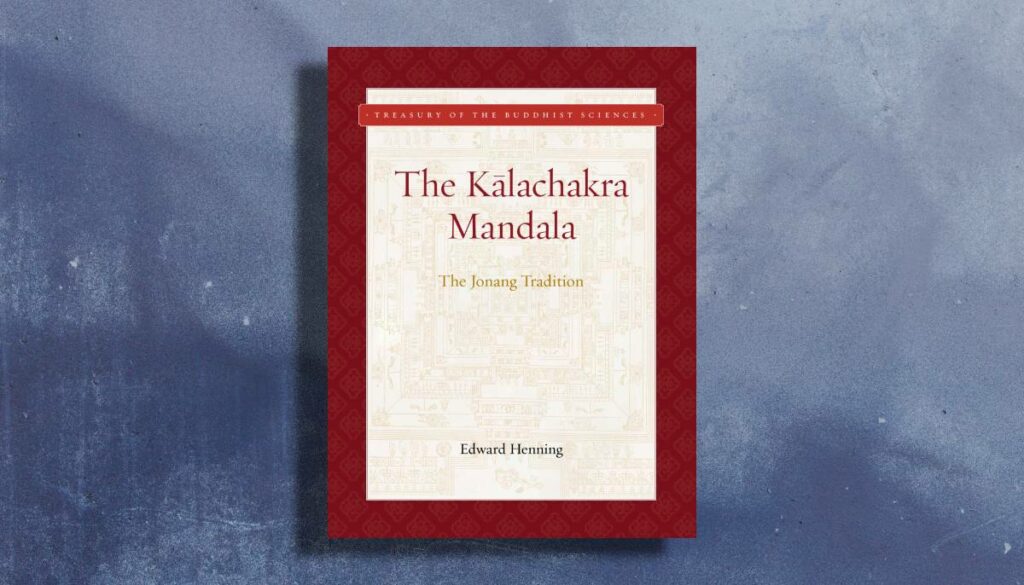
The Six Yogas of the Kālachakra
Read a brief of Kālachakra Mandala: The Jonang Tradition by Edward Henning’s and an exclusive excerpt courtesy of its publisher, Wisdom Publications.
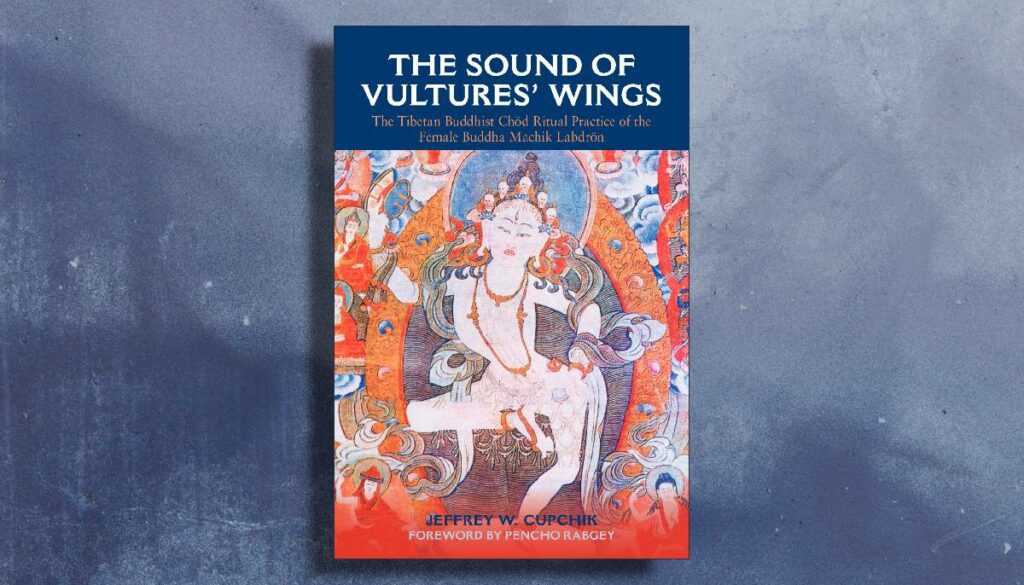
The Sound of Vultures’ Wings
Read a brief of The Sound of Vultures’ Wings: The Tibetan Buddhist Chöd Ritual Practice of the Female Buddha Machik Labdrön , by Jeffrey W. Cupchik. and an exclusive excerpt courtesy of its publisher, SUNY Press.
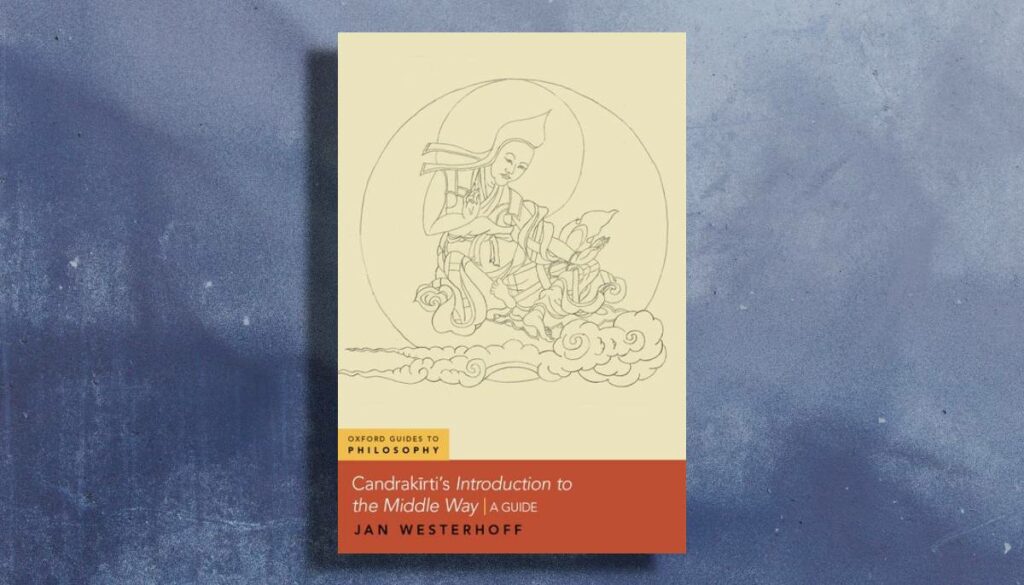
Chandrakirti’s Middle Way
Read a brief of Candrakīrti's Introduction to the Middle Way: A Guide by Jan Westerhoff and an exclusive excerpt courtesy of its publisher, Oxford University Press.
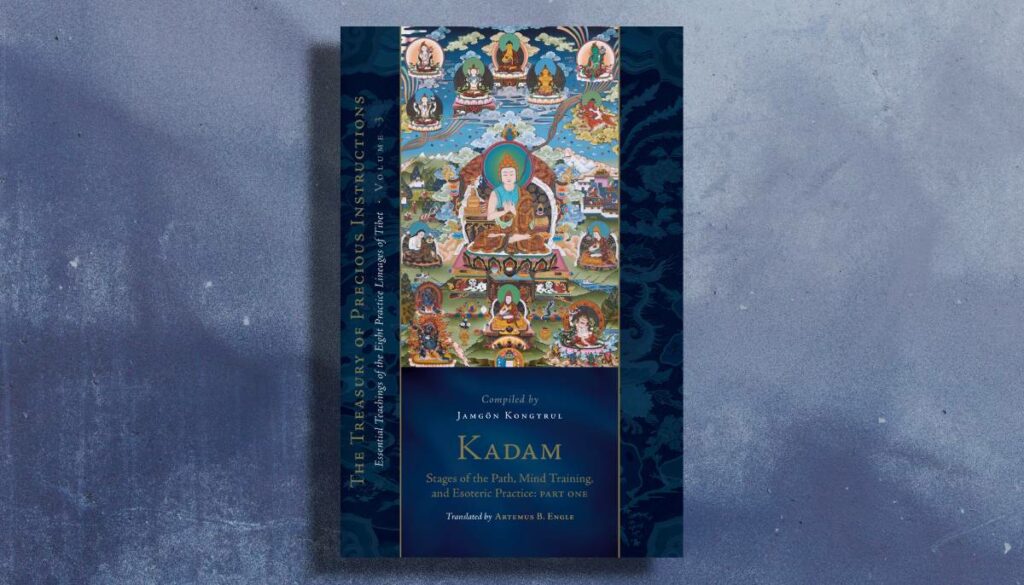
A Lamp for the Path to Enlightenment
Read a brief of Kadam: Stages of the Path, Mind Training, and Esoteric Practice: Part One by Jamgön Kongtrul Lodrö Taye, translated by Artemus B. Engle and an exclusive excerpt courtesy of its publisher, Shambhala Publications.