


Deep Dive
Afrontando los abusos en las comunidades espirituales
Cuando la confianza que ponemos en un amigo espiritual, un maestro o una comunidad se ve comprometida, se ponen en riesgo muchas cosas. Vea la colección de artículos de Buddhadharma sobre cómo prevenir y abordar estos abusos de poder.



“Conducta sexual inapropiada de los maestros. Abuso de poder. Explotación. No queremos creer que estas palabras se apliquen a nosotros o a nuestras sanghas… Quizás tengamos miedo de la vergüenza que traerían a nuestras comunidades budistas. Podríamos preocuparnos de que amenacen nuestra práctica o los valores que apreciamos. Quizás tengamos miedo de ver la verdad de que los mismos maestros que creíamos que eran la encarnación de la perfección son, de hecho, un ser humano complicado. Indagar en estas palabras significa cuestionarlo todo, incluidas algunas de nuestras creencias más profundas”.
—Lama Willa Blythe Baker
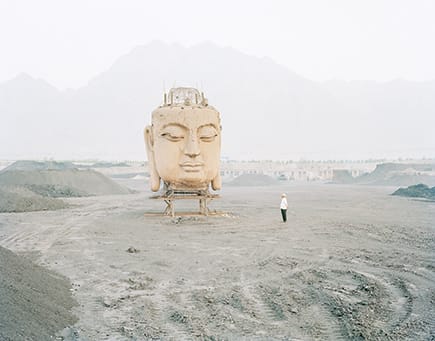
Nuestros maestros no son dioses
Rob Preece, practicante y psicoterapeuta veterano, dice que, aunque como estudiantes podemos ser devotos de nuestros maestros, ya no podemos darnos el lujo de idealizarlos.

El samaya como relación simbiótica
Damchö Diana Finnegan habla del vínculo gurú-discípulo en el budismo Vajrayana y de cómo manejarlo de forma saludable y beneficiosa.


El Buda te habría creído
En demasiadas comunidades budistas, no se les ha creído a las mujeres cuando revelan el daño causado por hombres. Bhikkhu Sujato mira al Vinaya y encuentra otro enfoque.

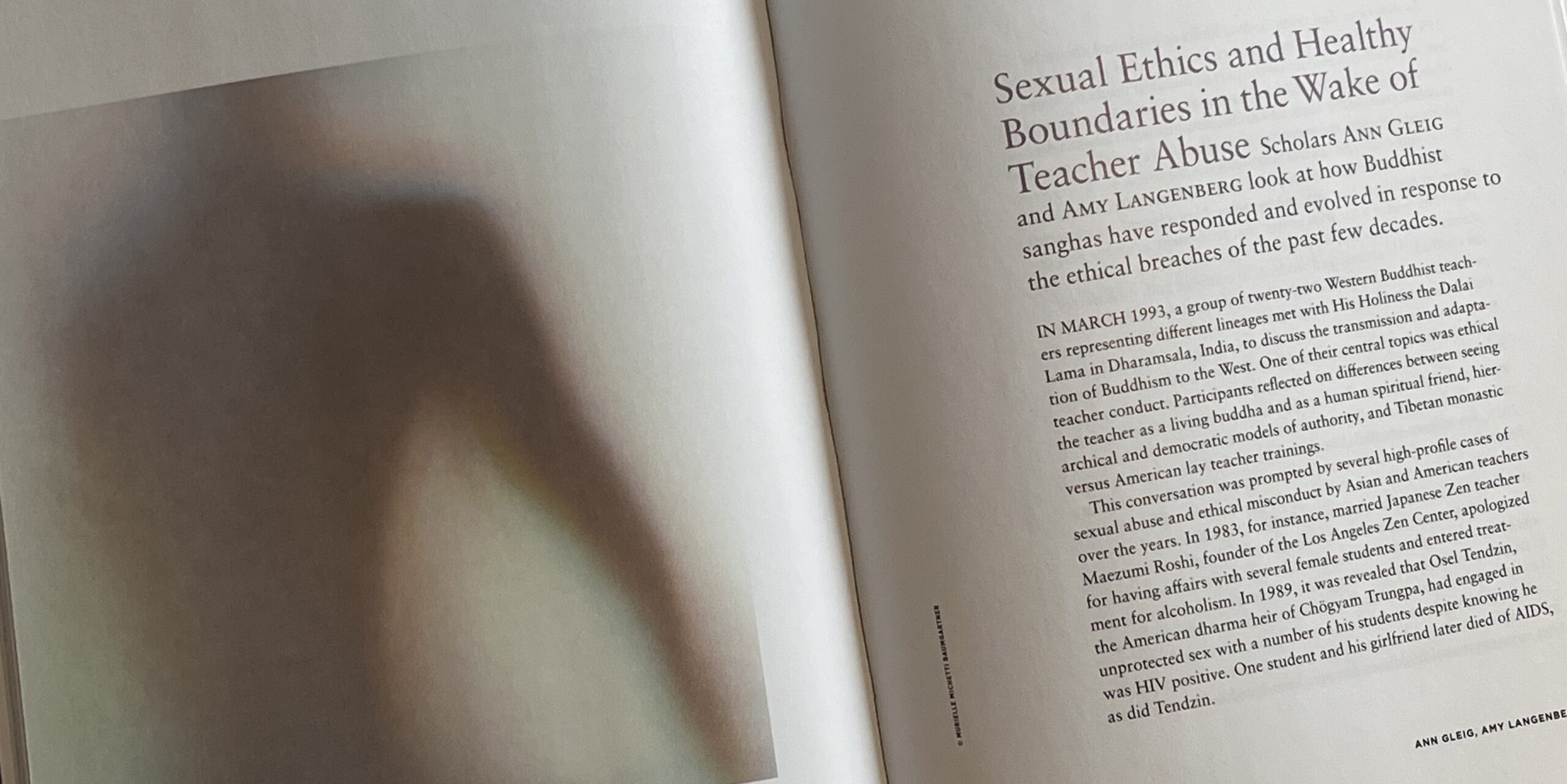
Ética sexual y límites saludables tras el abuso de maestros
Las académicas Ann Gleig y Amy Langenberg analizan cómo han respondido y evolucionado las sanghas budistas ante las transgresiones éticas de las últimas décadas.

Recursos para afrontar los abusos en las comunidades espirituales
Por Ann Gleig y Amy Langenberg, autoras de «Sexual Ethics and Healthy Boundaries in the Wake of Teacher Abuse» (Ética sexual y límites saludables tras el abuso de maestros), del número de invierno de 2023 de Buddhadharma, llega esta recopilación de sitios web, comunidades y proyectos selectos de valor para comunidades, maestros y estudiantes budistas que buscan desarrollar y mantener las mejores prácticas para fomentar relaciones saludables entre maestros y estudiantes y abordar conflictos y dificultades.

Afrontar el abuso: Sé proactivo
An Olive Branch presenta un plan de acción para poner en marcha el apoyo necesario para proteger a los miembros de la sangha de los abusos.

The Treasure of the Teacher
“You do the practice, you realize the way,” writes Norman Fischer. “And yet you must begin by finding a teacher you can have faith in.”
Always a Student
Three dharma teachers on what they continue to learn from their current teachers.
Ever Present
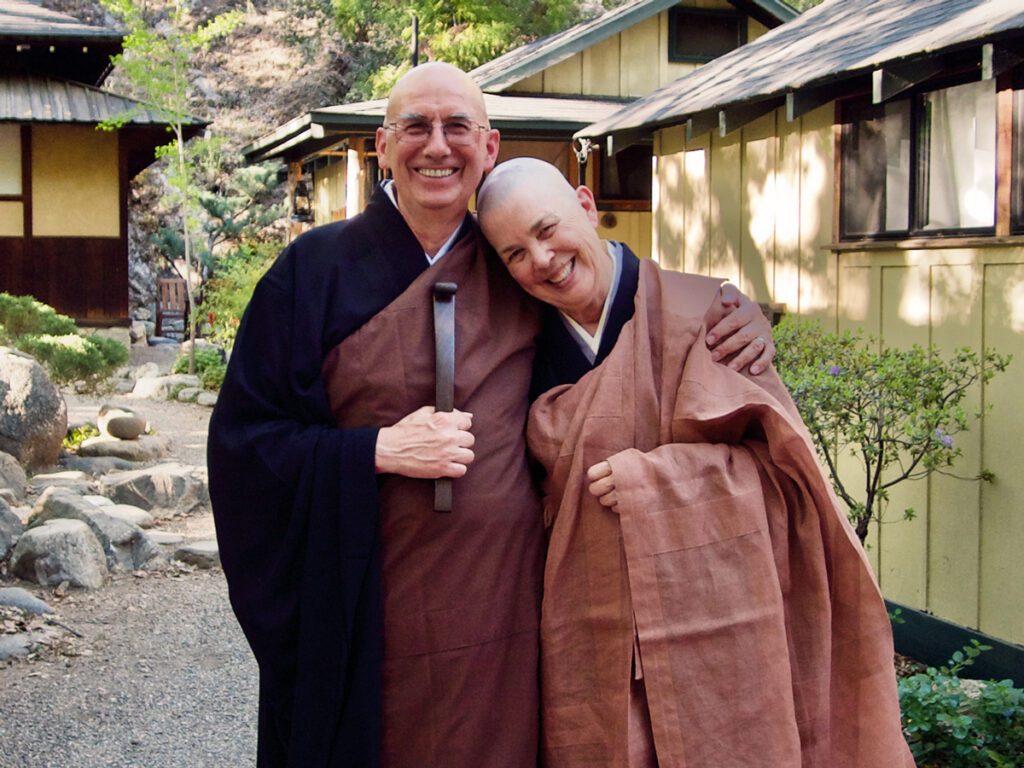
Five dharma teachers recall formative teachers of their own who have passed away, but in their ways, remain.

Buddhadharma on Books: Winter 2023
Constance Kassor reviews “Notebooks of a Wandering Monk” by Matthieu Ricard, “Illumination” by Rebecca Li, “The Buddhist Tantras” by David B. Gray, and more.
Living Buddhist Ethics
Looking primarily at the three sila aspects of the Buddha’s eightfold path—right action, right speech, and right livelihood—leading dharma figures explain how, as Buddhists in today’s world, we can live ethically, and in accord with what the dharma teaches.

Ethics, Meditation, and Wisdom
Norman Fischer on how sila, samadhi, and prajna work together to give us stability on the Buddhist path to liberation.

Understanding the Vinaya
Amy Paris Langenberg on the history, evolution, and modern manifestations of the training rules followed by Buddhist monastics.

Dukkha as a Doorway to Liberation
Scott Tusa on how Buddhist ethics transcend mere morality and help us to realize awakening.
The Six Dharmas of Naropa
Considered a fast track to buddhahood, the Six Dharmas are advanced tantric practices including tummo (inner heat), yoga of the dream state, resting in luminosity, and more. Featuring an overview by Pema Khandro Rinpoche, plus in-depth teachings by specialists in each of the Six Dharmas.

The Swift Path to Buddhahood
Pema Khandro on the fascinating history, practice, and purpose of the Six Dharmas of Naropa.
The Practice of Fierce Inner Heat
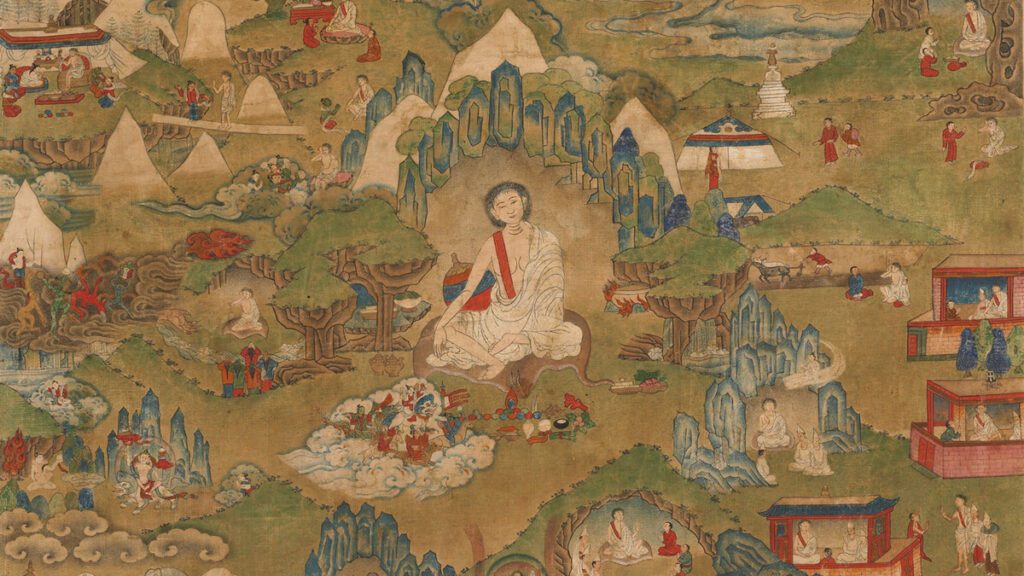
Judith Simmer-Brown on tummo, one of the most famous esoteric practices of Tibetan Vajrayana and the Six Dharmas. What is it, what are its benefits, and what role does it play in our journey to enlightenment?

A Wake-Up Call
Andrew Holecek on bardo, one of the Six Dharmas of Naropa’s two practices for helping us find our way, when the time comes, through the death experience. It can help us in life, too.
The Teacher & The Student
All about this most crucial of dharma relationships—what a teacher (ideally) is, how to know when one is right (or wrong) for you, how to be a student, understanding the guru-disciple bond in Vajrayana Buddhism, and more.
The Treasure of the Teacher
“You do the practice, you realize the way,” writes Norman Fischer. “And yet you must begin by finding a teacher you can have faith in.”
A Meeting of Minds
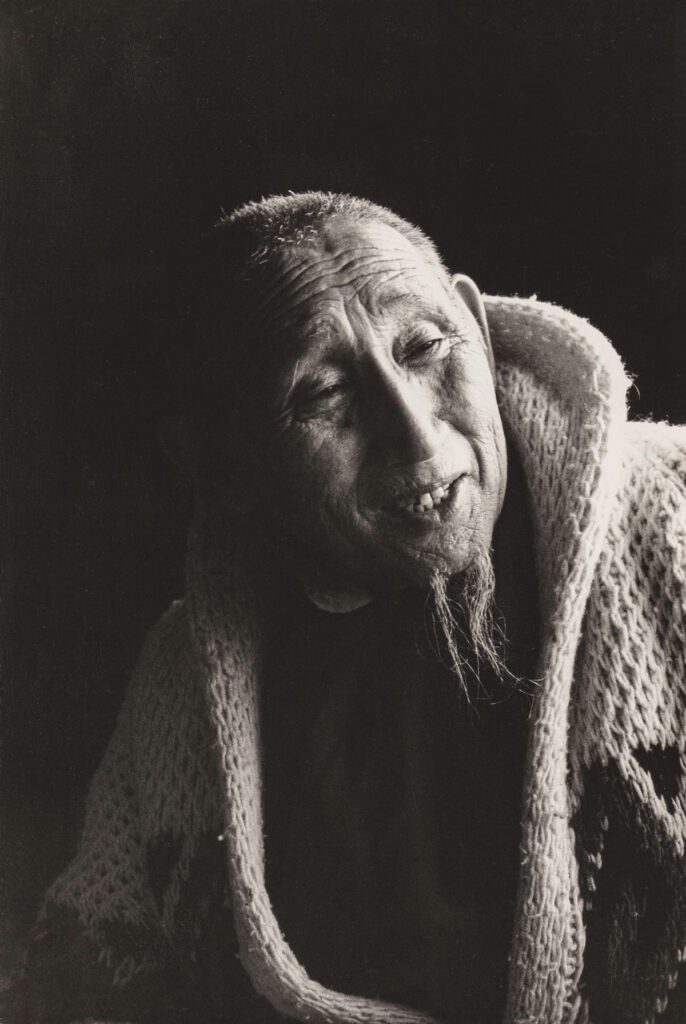
Anne C. Klein on the importance of listening, relating, and actively engaging with our teachers as the foundation for a genuine, transformative connection with them.

When You Are Ready…
Willa Blythe Baker on the many forms in which our teachers might manifest, including even our body and our community.
Buddhanature
Buddhanature is a Mahayana Buddhist concept that, while foundational, can sometimes be confounding. Here, great Buddhist thinkers of the present and past shine a prismatic light on buddhanature so that we might all better recognize the potential for awakening within.
Why Buddhanature Matters
Lopen Karma Phuntsho, writer-in-residence for Tsadra Foundation’s Buddha-Nature project, takes a look at the history and development of the Mahayana concept of buddhanature.

The World Between Breaths
Vanessa Zuisei Goddard on the famous Zen koan “Mu,” and how it helps us dive into buddhanature.
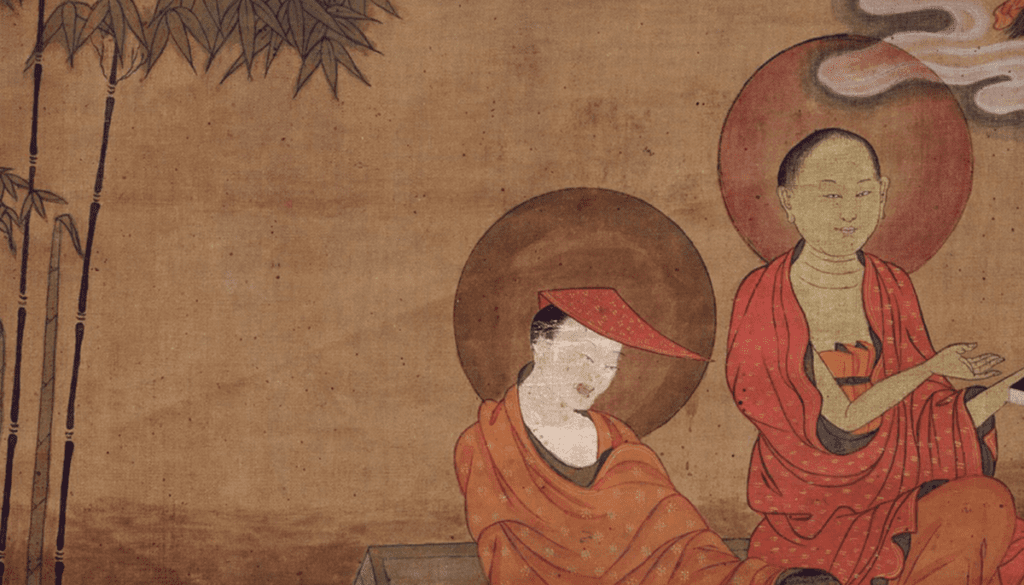
To Be or Not To Be? Be a Buddha!
Looking at the words of classical texts, Karl Brunnhölzl explores the notions of buddhanature and emptiness—how they may be understood as one and the same, and how they are not identical.