


Deep Dive
Emanations of Avalokitesvara
Also known by Guan Yin, Chenrezig, Kanzeon and other epithets, Avalokitesvara is the bodhisattva who “hears the cries of the world” and responds with limitless compassion — and inspires Buddhist practitioners the world over to try and do the same.
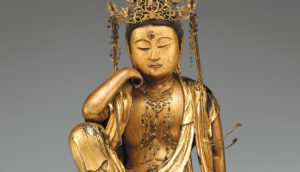
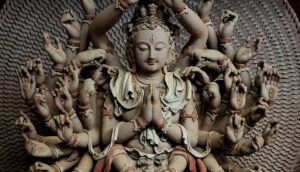
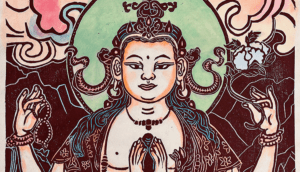
“Enlightened compassion has a face, in Buddhist art, and a Sanskrit name:
– Kay Larson
Avalokiteshvara. This great cosmic being sits in meditation, with lowered eyelids,
looking inward into mind and downward to witness the lamentations of the world.”
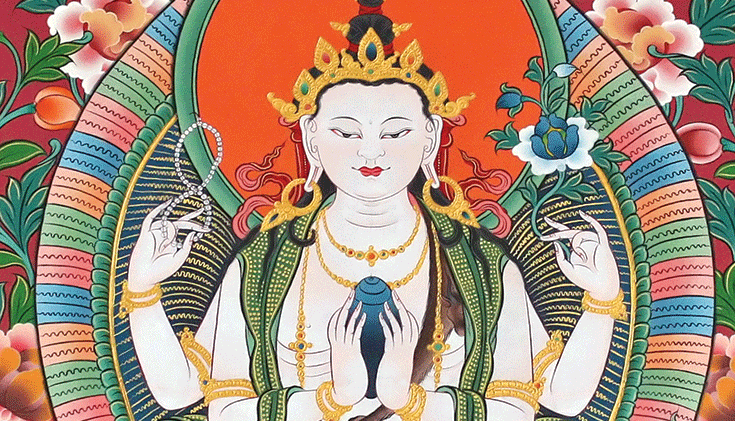
Visualization: Developing Pure Perception
Anyen Rinpoche and Allison Choying Zangmo teach us how to visualize Avalokitesvara, the embodiment of perfect compassion.
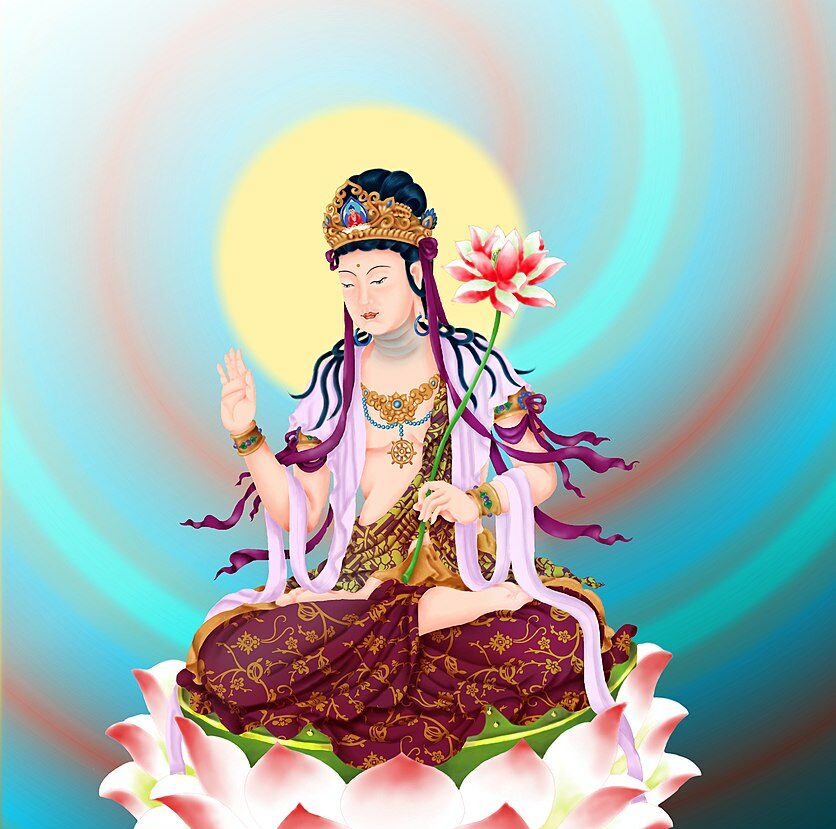
Bodhisattva, What Color is Your Neck?
When it comes to right speech, can Buddhist practitioner Ching Pan follow the example of Green-Necked Avalokitesvara? Could you?
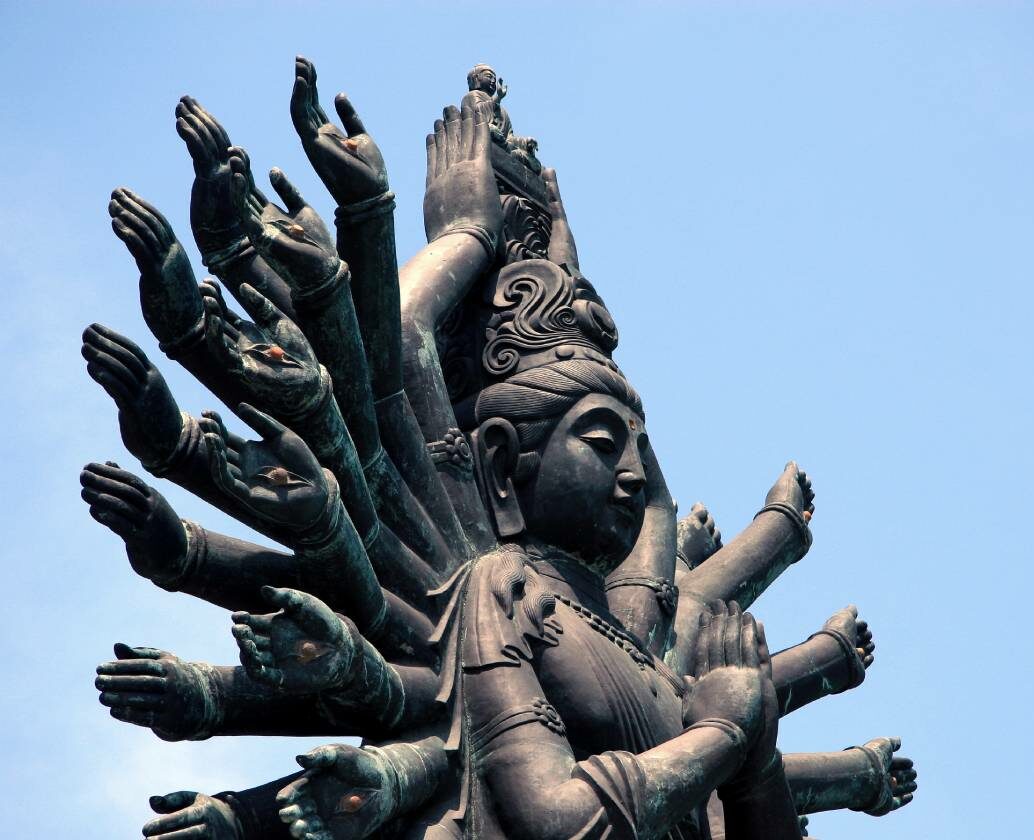
Venerating Avalokitesvara Bodhisattva by Engaging the World
According to An Tran, reciting the Twelve Aspiration Prayers of Avalokitesvara encourages us to engage with the world as part of our practice, so that we may become instruments of the buddhas of this world, helping ease the suffering of beings and our environment.

The Heart Sutra Will Change You Forever
Penetrate the true meaning of the Heart Sutra, says Karl Brunnhölzl, and nothing will be the same again. The secret is making it personal.

The Treasure of the Teacher
“You do the practice, you realize the way,” writes Norman Fischer. “And yet you must begin by finding a teacher you can have faith in.”
Always a Student
Three dharma teachers on what they continue to learn from their current teachers.
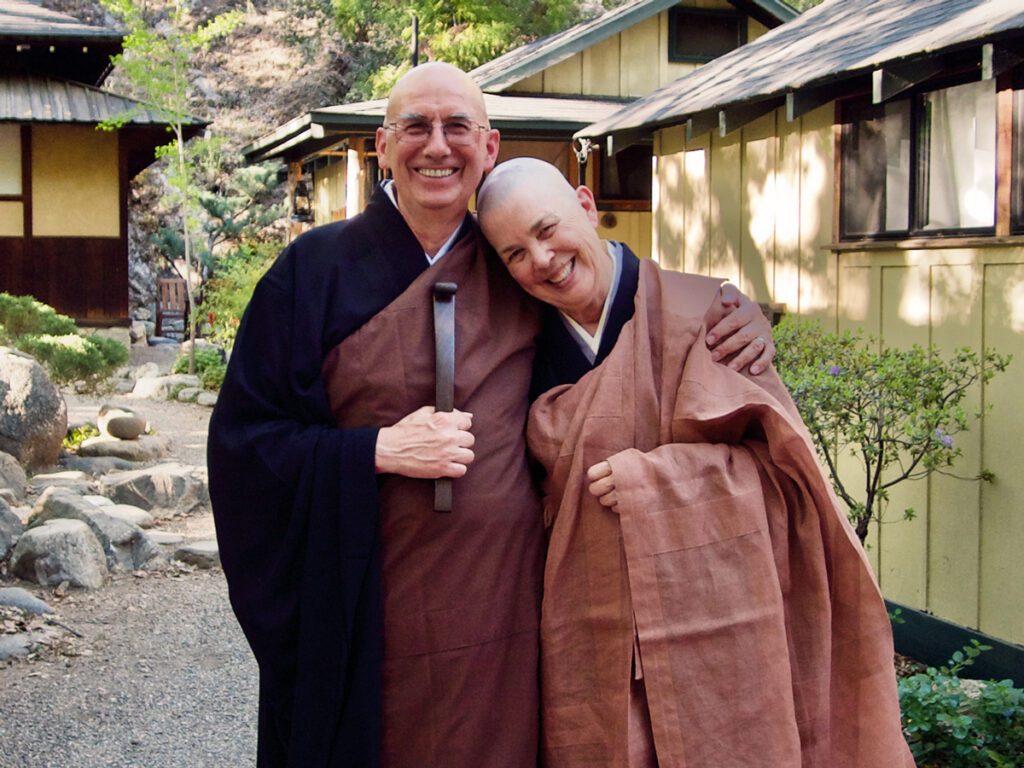
Ever Present
Five dharma teachers recall formative teachers of their own who have passed away, but in their ways, remain.

Buddhadharma on Books: Winter 2023
Constance Kassor reviews “Notebooks of a Wandering Monk” by Matthieu Ricard, “Illumination” by Rebecca Li, “The Buddhist Tantras” by David B. Gray, and more.
Monasticism Matters
Whether monk or nun or lay Buddhist, we all have so much to gain by better understanding monasticism and the people who take up monastic life. Includes a special focus on the timely subject of women’s ordination.
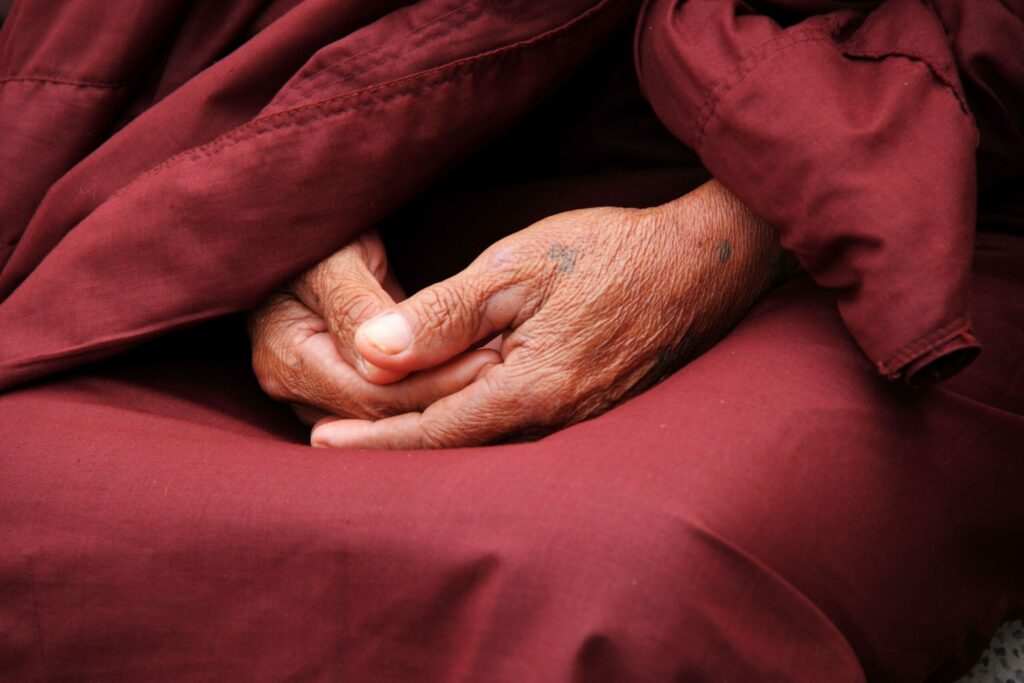
Why We Need Monasticism
A panel discussion with Robert Thurman, Jan Chozen Bays, Bhikkhu Bodhi and Ayya Tathaaloka. Introduction by Ajahn Amaro.
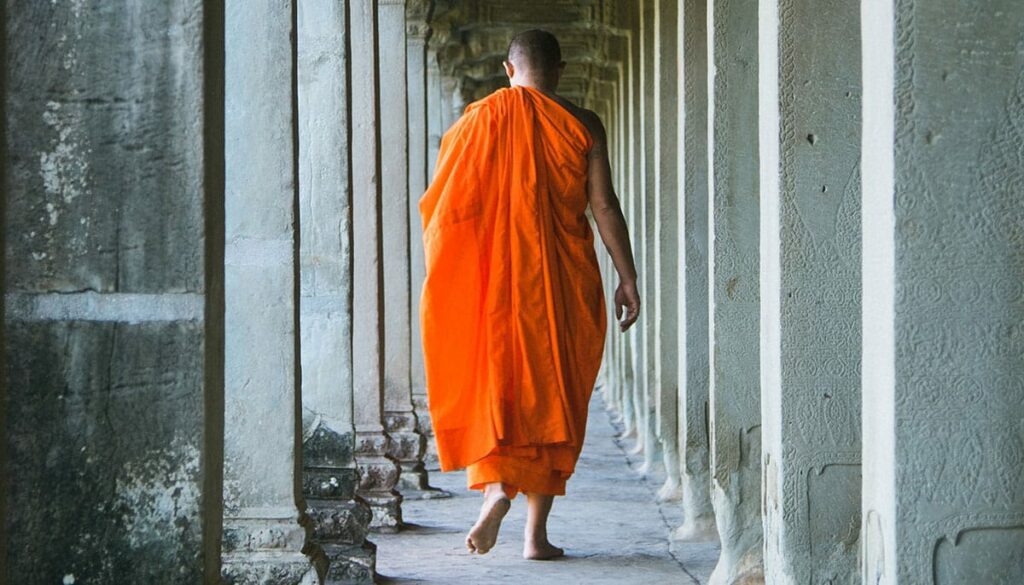
The Fourfold Sangha Still Matters
The monastic path has failed to take hold in the West, says Tibetan Buddhist nun Ayya Yeshe. She argues that it’s time to renew the fourfold sangha.
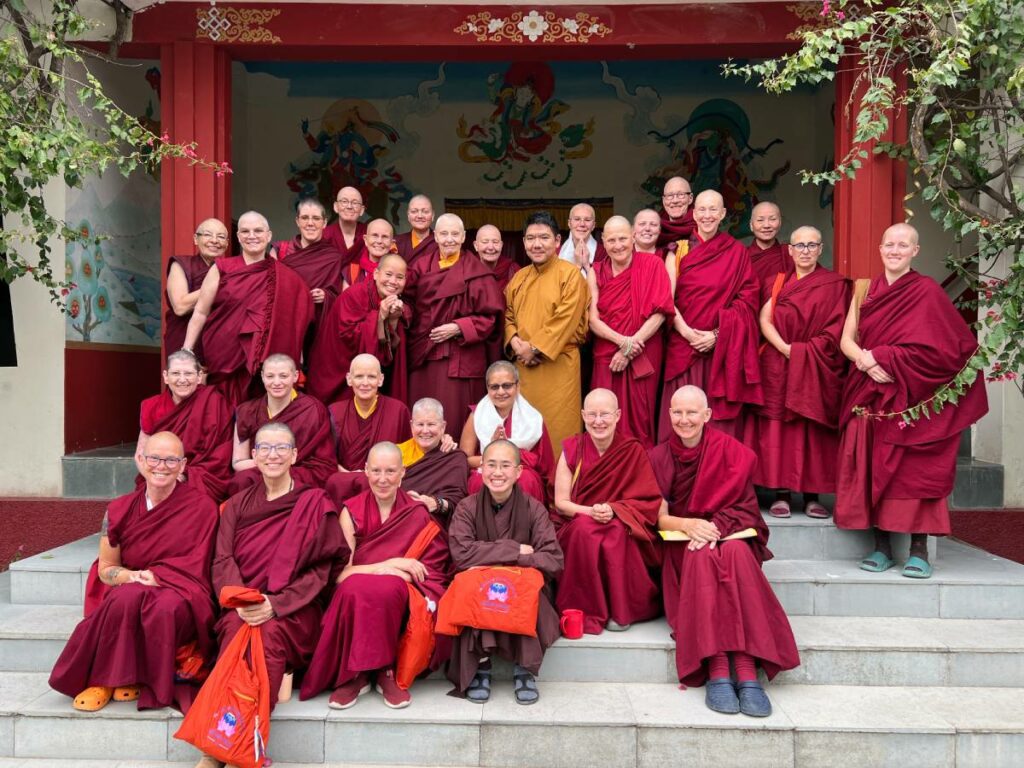
A Radiance of Nuns
Tsunma Sherab Khandro attended March’s Alliance of Non-Himalayan Nuns’ Gathering in Dharamsala, India. Here, she shares her experience and her perspective on the many challenges today’s nuns are faced with as they strive to uphold their vows, including lack of community and financial support.
Living Buddhist Ethics
Looking primarily at the three sila aspects of the Buddha’s eightfold path—right action, right speech, and right livelihood—leading dharma figures explain how, as Buddhists in today’s world, we can live ethically, and in accord with what the dharma teaches.
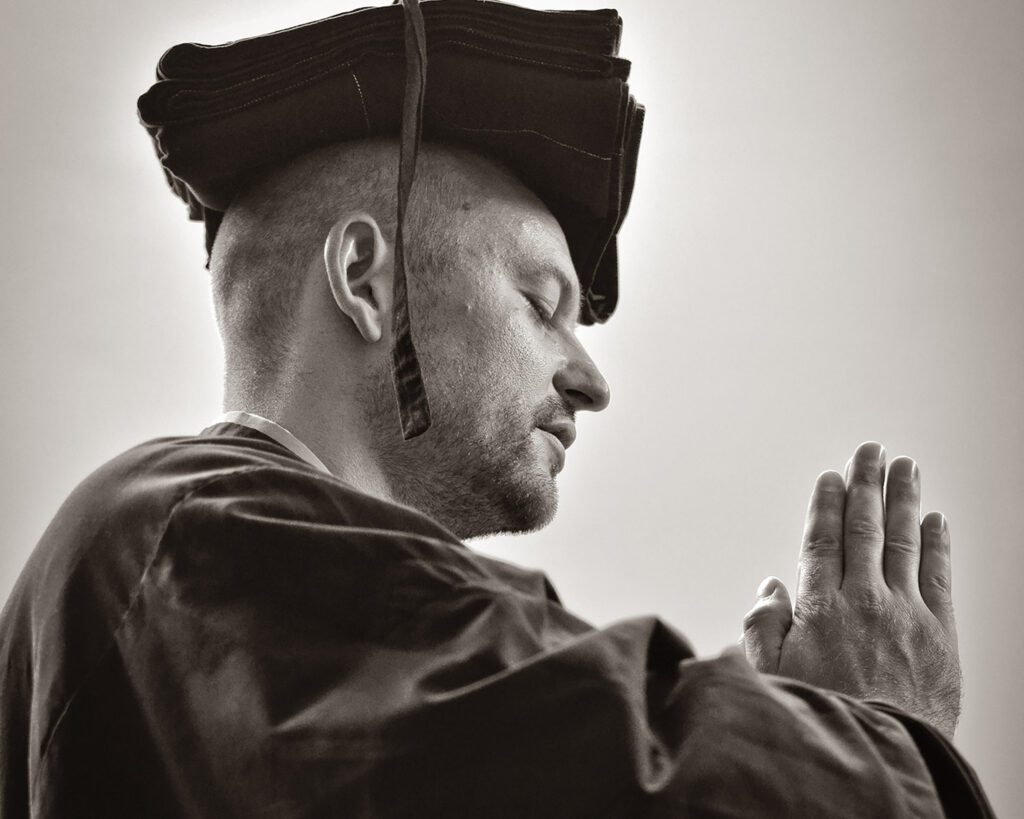
Ethics, Meditation, and Wisdom
Norman Fischer on how sila, samadhi, and prajna work together to give us stability on the Buddhist path to liberation.
Understanding the Vinaya
Amy Paris Langenberg on the history, evolution, and modern manifestations of the training rules followed by Buddhist monastics.

Dukkha as a Doorway to Liberation
Scott Tusa on how Buddhist ethics transcend mere morality and help us to realize awakening.
The Six Dharmas of Naropa
Considered a fast track to buddhahood, the Six Dharmas are advanced tantric practices including tummo (inner heat), yoga of the dream state, resting in luminosity, and more. Featuring an overview by Pema Khandro Rinpoche, plus in-depth teachings by specialists in each of the Six Dharmas.
The Swift Path to Buddhahood
Pema Khandro on the fascinating history, practice, and purpose of the Six Dharmas of Naropa.
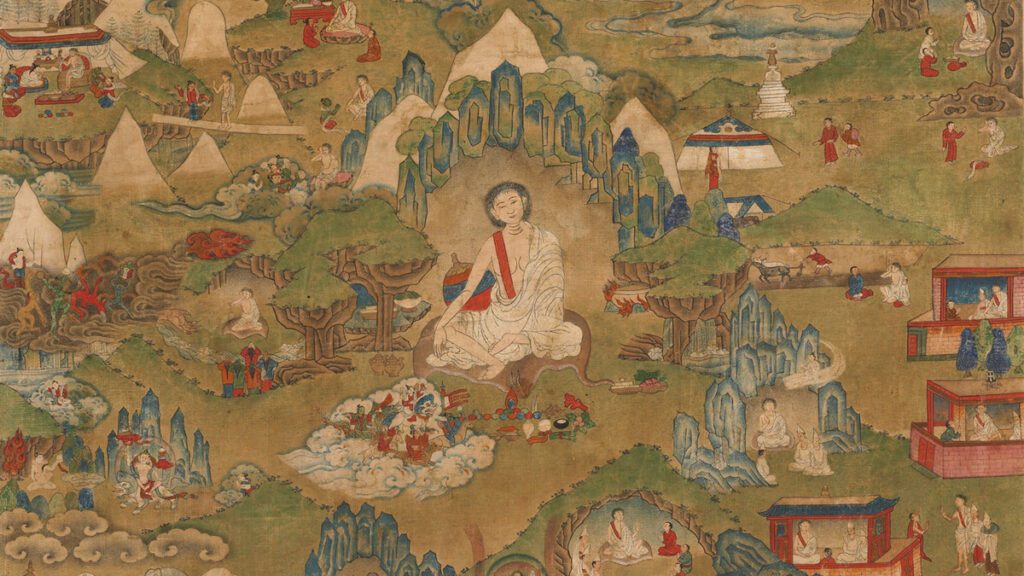
The Practice of Fierce Inner Heat
Judith Simmer-Brown on tummo, one of the most famous esoteric practices of Tibetan Vajrayana and the Six Dharmas. What is it, what are its benefits, and what role does it play in our journey to enlightenment?

A Wake-Up Call
Andrew Holecek on bardo, one of the Six Dharmas of Naropa’s two practices for helping us find our way, when the time comes, through the death experience. It can help us in life, too.
The Teacher & The Student
All about this most crucial of dharma relationships—what a teacher (ideally) is, how to know when one is right (or wrong) for you, how to be a student, understanding the guru-disciple bond in Vajrayana Buddhism, and more.
The Treasure of the Teacher
“You do the practice, you realize the way,” writes Norman Fischer. “And yet you must begin by finding a teacher you can have faith in.”
A Meeting of Minds
Anne C. Klein on the importance of listening, relating, and actively engaging with our teachers as the foundation for a genuine, transformative connection with them.

When You Are Ready…
Willa Blythe Baker on the many forms in which our teachers might manifest, including even our body and our community.
Buddhanature
Buddhanature is a Mahayana Buddhist concept that, while foundational, can sometimes be confounding. Here, great Buddhist thinkers of the present and past shine a prismatic light on buddhanature so that we might all better recognize the potential for awakening within.
Why Buddhanature Matters
Lopen Karma Phuntsho, writer-in-residence for Tsadra Foundation’s Buddha-Nature project, takes a look at the history and development of the Mahayana concept of buddhanature.

The World Between Breaths
Vanessa Zuisei Goddard on the famous Zen koan “Mu,” and how it helps us dive into buddhanature.
To Be or Not To Be? Be a Buddha!
Looking at the words of classical texts, Karl Brunnhölzl explores the notions of buddhanature and emptiness—how they may be understood as one and the same, and how they are not identical.