


Deep Dive
Monasticism Matters
Whether monk or nun or lay Buddhist, we all have so much to gain by better understanding monasticism and the people who take up monastic life. Includes a special focus on the timely subject of women’s ordination.
“If you become a monk or a nun you put the desire to wake up at the center of your world. Everything else, whatever it might be, stands in relation to that and becomes a vehicle for waking up further. Thus, monastic life is actually an opportunity to go deeper.”
— Pema Chödrön
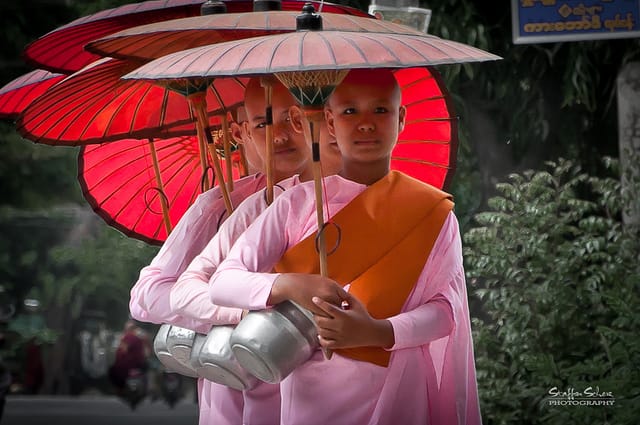
Ordained At Last
Dhammananda Bhikkhuni, formerly known as Dr. Chatsumarn Kabilsingh, became the first Thai woman to receive full ordination as a Theravadin nun.
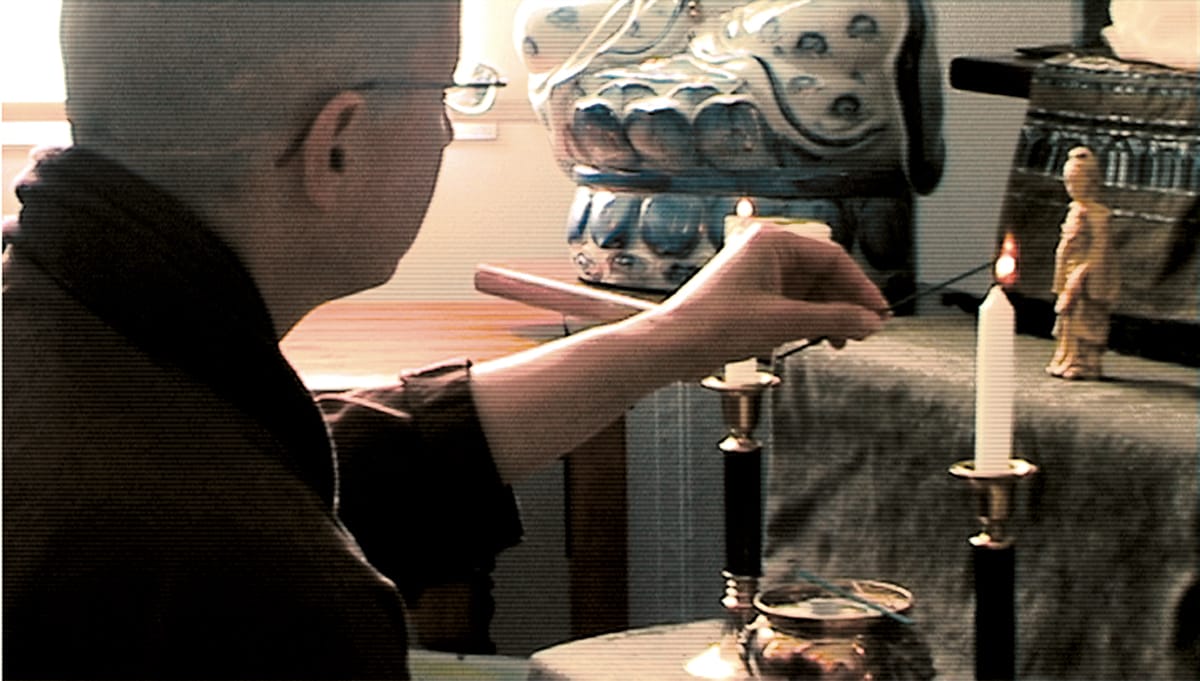
The Time Has Come
The “eight heavy rules” institutionalize women’s second-class status in Buddhist monasteries, and in most lineages women are denied full ordination.
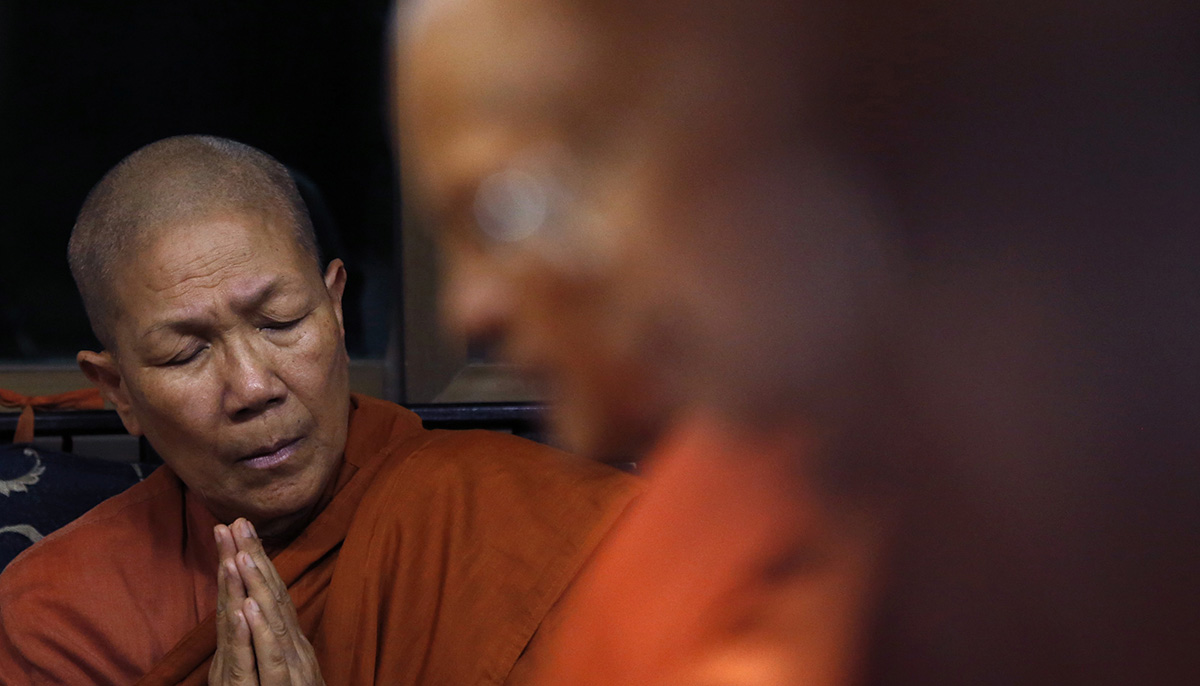
To Walk Proudly as Buddhist Women: An Interview with Dhammananda Bhikkhuni
Cindy Rasicot interviews Dhammananda Bhikkhuni, Thailand’s first fully ordained Theravada nun, on women’s ordination, feminism, the role of monastics in society, and more.
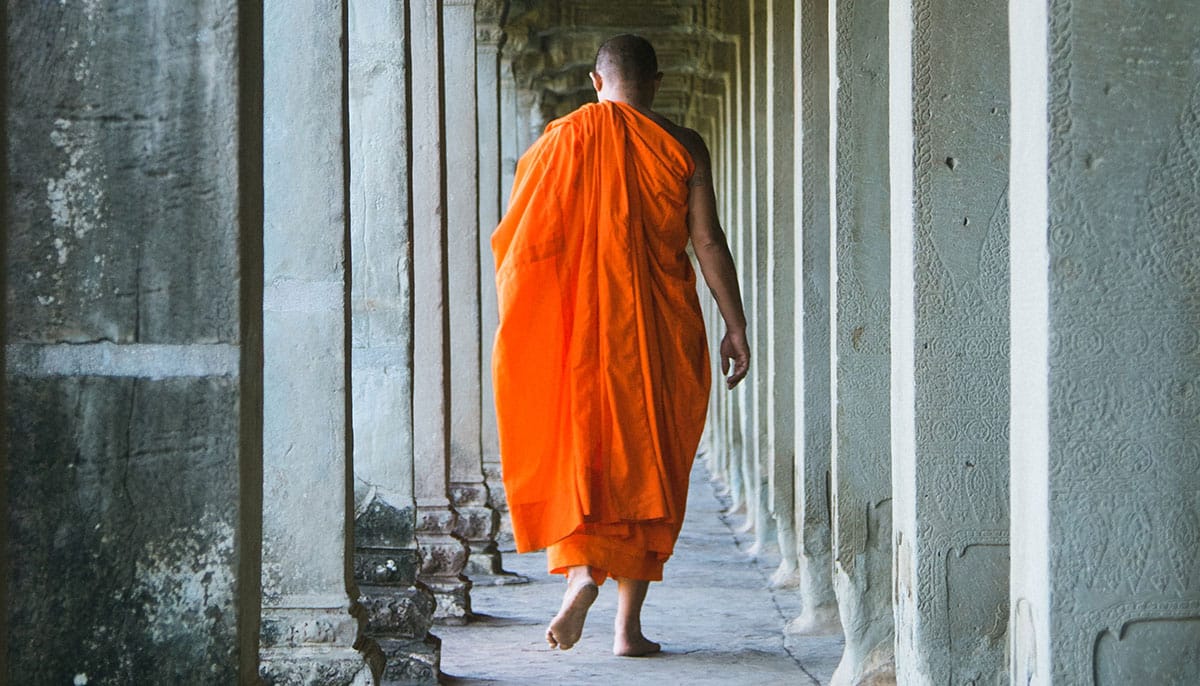
The Fourfold Sangha Still Matters
The monastic path has failed to take hold in the West, says Tibetan Buddhist nun Ayya Yeshe. She argues that it’s time to renew the fourfold sangha.

The Treasure of the Teacher
“You do the practice, you realize the way,” writes Norman Fischer. “And yet you must begin by finding a teacher you can have faith in.”
Always a Student
Three dharma teachers on what they continue to learn from their current teachers.
Ever Present
Five dharma teachers recall formative teachers of their own who have passed away, but in their ways, remain.

Buddhadharma on Books: Winter 2023
Constance Kassor reviews “Notebooks of a Wandering Monk” by Matthieu Ricard, “Illumination” by Rebecca Li, “The Buddhist Tantras” by David B. Gray, and more.
Living Buddhist Ethics
Looking primarily at the three sila aspects of the Buddha’s eightfold path—right action, right speech, and right livelihood—leading dharma figures explain how, as Buddhists in today’s world, we can live ethically, and in accord with what the dharma teaches.
Ethics, Meditation, and Wisdom
Norman Fischer on how sila, samadhi, and prajna work together to give us stability on the Buddhist path to liberation.
Understanding the Vinaya
Amy Paris Langenberg on the history, evolution, and modern manifestations of the training rules followed by Buddhist monastics.

Dukkha as a Doorway to Liberation
Scott Tusa on how Buddhist ethics transcend mere morality and help us to realize awakening.
The Six Dharmas of Naropa
Considered a fast track to buddhahood, the Six Dharmas are advanced tantric practices including tummo (inner heat), yoga of the dream state, resting in luminosity, and more. Featuring an overview by Pema Khandro Rinpoche, plus in-depth teachings by specialists in each of the Six Dharmas.
The Swift Path to Buddhahood
Pema Khandro on the fascinating history, practice, and purpose of the Six Dharmas of Naropa.
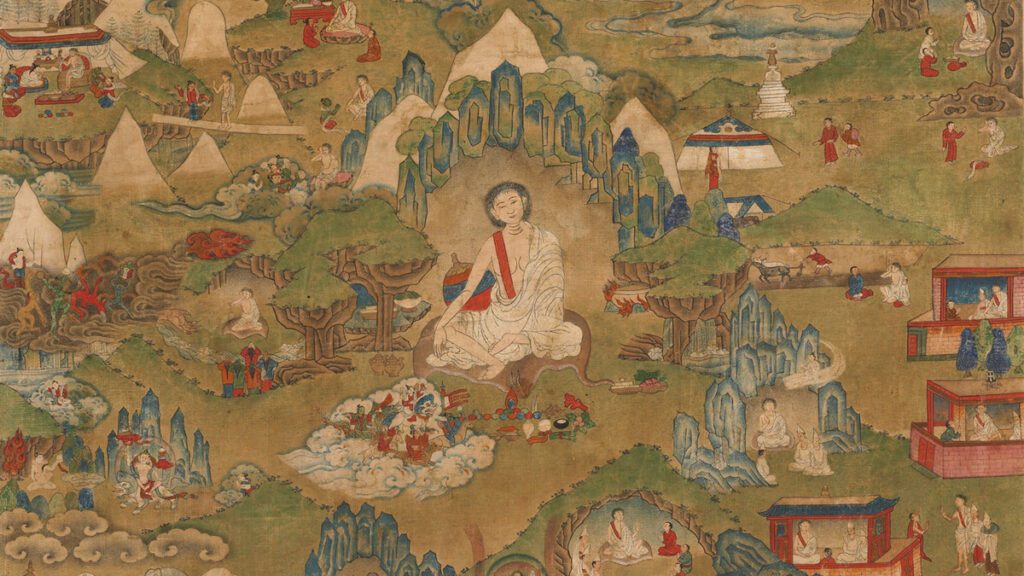
The Practice of Fierce Inner Heat
Judith Simmer-Brown on tummo, one of the most famous esoteric practices of Tibetan Vajrayana and the Six Dharmas. What is it, what are its benefits, and what role does it play in our journey to enlightenment?
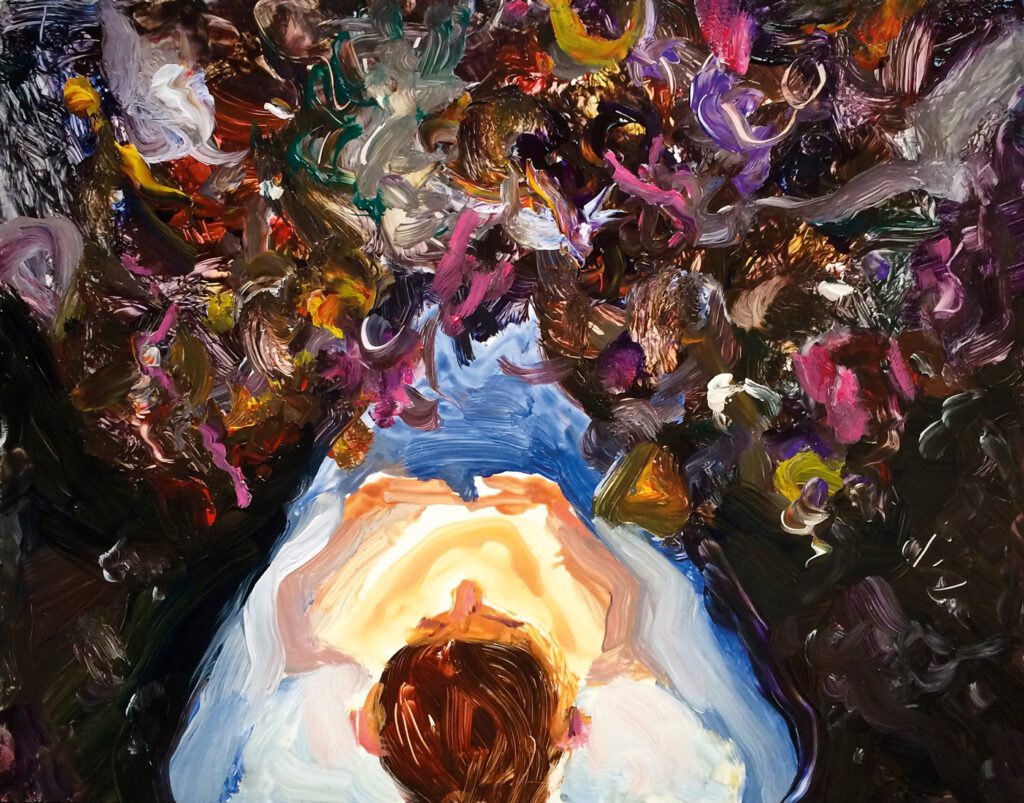
A Wake-Up Call
Andrew Holecek on bardo, one of the Six Dharmas of Naropa’s two practices for helping us find our way, when the time comes, through the death experience. It can help us in life, too.
Buddhist Teachings of the Dalai Lama
Buddhadharma has been privileged to publish the world’s greatest dharma teachers — among them, of course, is His Holiness the Dalai Lama. Read a collection of some of his best pieces for committed Buddhist practitioners:

Discover Your Innermost Awareness
In his teaching on the essence of Dzogchen, the Dalai Lama describes the shock that naturally accompanies innermost awareness, the basis of all reality.
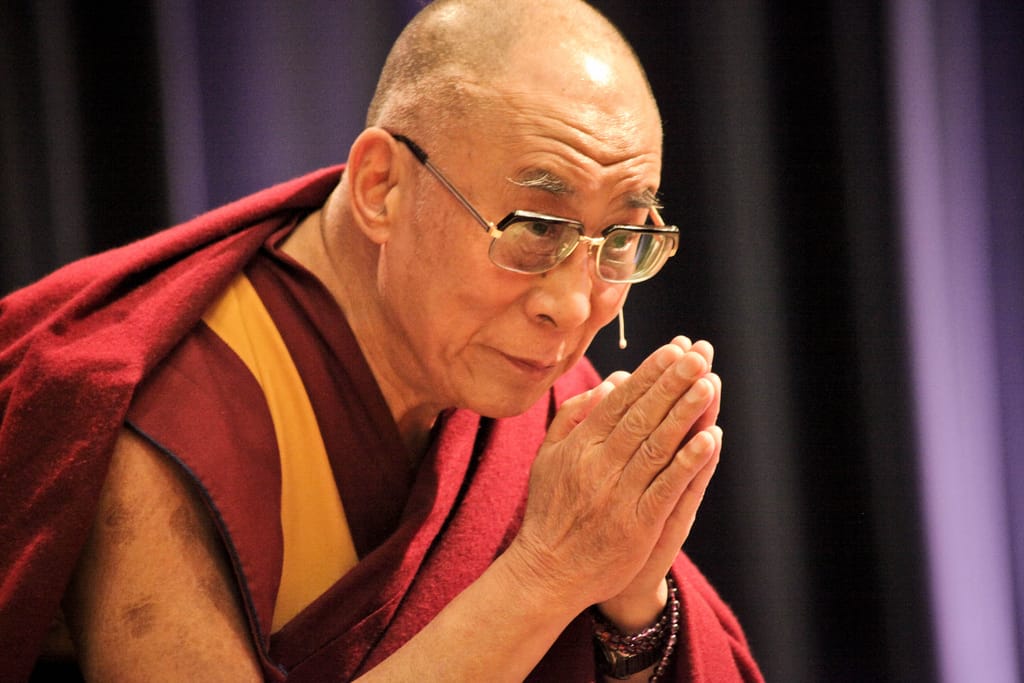
Beyond No-Self
While insight into the truth of no-self, is an important step, says the Dalai Lama, it doesn’t go far enough.
Ethical Conduct Is the Essence of Dharma Practice
The Dalai Lama and Thubten Chodron outline three levels of Buddhist ethical codes and how we can follow them.
The Teacher & The Student
All about this most crucial of dharma relationships—what a teacher (ideally) is, how to know when one is right (or wrong) for you, how to be a student, understanding the guru-disciple bond in Vajrayana Buddhism, and more.
The Treasure of the Teacher
“You do the practice, you realize the way,” writes Norman Fischer. “And yet you must begin by finding a teacher you can have faith in.”
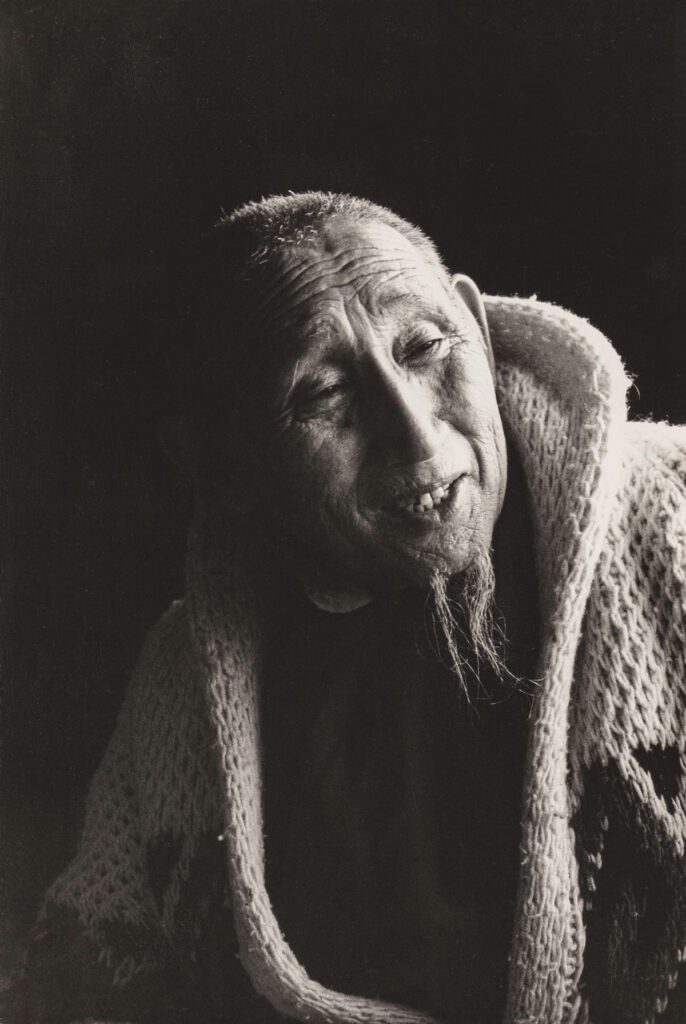
A Meeting of Minds
Anne C. Klein on the importance of listening, relating, and actively engaging with our teachers as the foundation for a genuine, transformative connection with them.
When You Are Ready…
Willa Blythe Baker on the many forms in which our teachers might manifest, including even our body and our community.
Buddhanature
Buddhanature is a Mahayana Buddhist concept that, while foundational, can sometimes be confounding. Here, great Buddhist thinkers of the present and past shine a prismatic light on buddhanature so that we might all better recognize the potential for awakening within.
Why Buddhanature Matters
Lopen Karma Phuntsho, writer-in-residence for Tsadra Foundation’s Buddha-Nature project, takes a look at the history and development of the Mahayana concept of buddhanature.

The World Between Breaths
Vanessa Zuisei Goddard on the famous Zen koan “Mu,” and how it helps us dive into buddhanature.
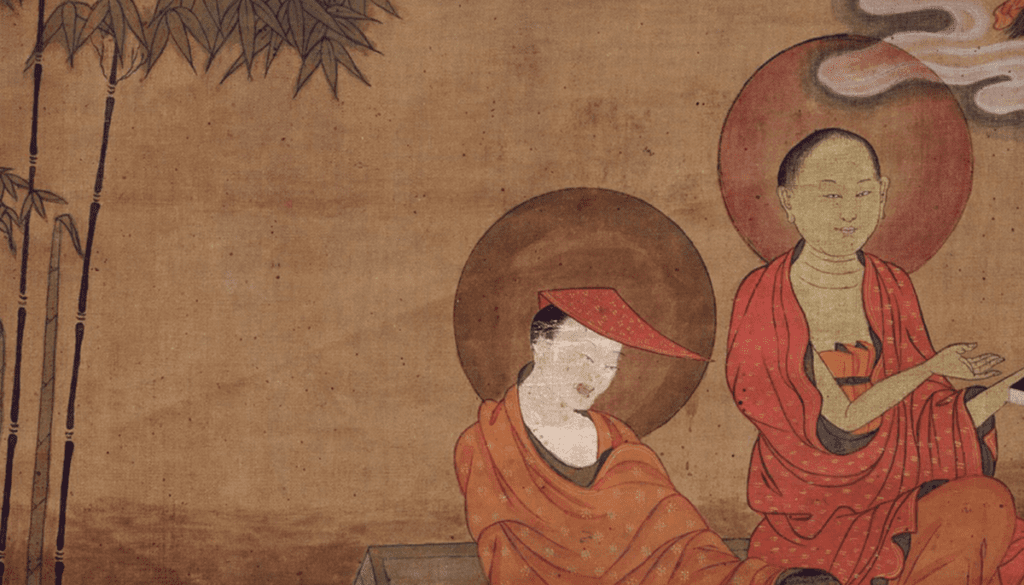
To Be or Not To Be? Be a Buddha!
Looking at the words of classical texts, Karl Brunnhölzl explores the notions of buddhanature and emptiness—how they may be understood as one and the same, and how they are not identical.