


Deep Dive
Confronting Abuse in Spiritual Communities
When the trust we put in a spiritual friend, teacher, or community is compromised, so much is put at risk. View Buddhadharma‘s collection of articles on preventing and addressing such abuses of power.



“Clergy sexual misconduct. Abuse of power. Exploitation. We don’t want to believe these words apply to us or our sanghas… We may be afraid of the shame they would bring to our Buddhist communities. We might worry they will threaten our practice or the values we hold dear. We may be afraid to look at the truth that the very teacher we believed to be the embodiment of perfection is, in fact, a complicated human being. Inquiring into these words means questioning everything, including some of our deepest beliefs.”
—Lama Willa Blythe Baker
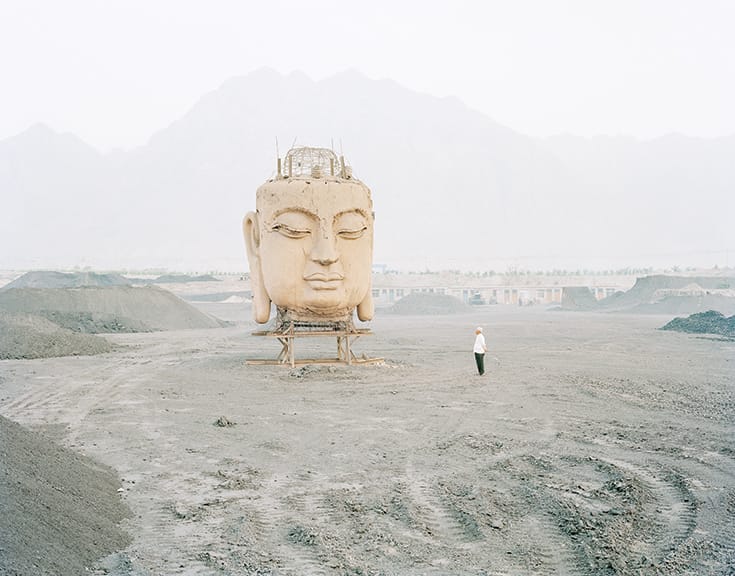
Our Teachers Are Not Gods
Longtime practitioner and psychotherapist Rob Preece says even though as students we may be devoted to our teachers, we can’t afford to idealize them anymore.
Samaya as Symbiotic Relationship
Damchö Diana Finnegan on the guru–disciple bond in Vajrayana Buddhism, and how to navigate it in healthful, beneficial ways.

The Buddha Would Have Believed You
In too many Buddhist communities, women have not been believed when revealing harm caused by men. Bhikkhu Sujato looks to the Vinaya and finds another approach.

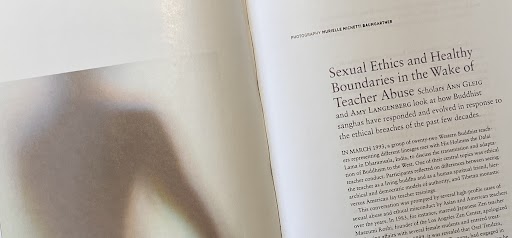
Sexual Ethics and Healthy Boundaries in the Wake of Teacher Abuse
Scholars Ann Gleig and Amy Langenberg look at how Buddhist sanghas have responded and evolved in response to the ethical breaches of the past few decades.

Resources for Confronting Abuse in Spiritual Communities
From Ann Gleig and Amy Langenberg, authors of “Sexual Ethics and Healthy Boundaries in the Wake of Teacher Abuse,” from the Winter 2023 issue of Buddhadharma, comes this gathering of select websites, communities, and projects of value to Buddhist communities, teachers, and students looking to develop and maintain best practices when it comes to fostering healthy teacher-student relationships and addressing conflicts and pitfalls.
Confronting Abuse: Be Proactive
An Olive Branch presents an action plan for putting the necessary supports in place to protect sangha members from abuse

Watch – New Videos and Resources on Reckoning With Abuse in Buddhist Communities
Confronting systemic abuse within spiritual communities is important for individual and community alike. That’s why Damchö Diana Finnegan, co-founder of the Dharmadatta Community, has launched a series of interviews that aim to help us face and understand abuse and how to promote community accountability and justice for survivors. Freshly updated with new videos
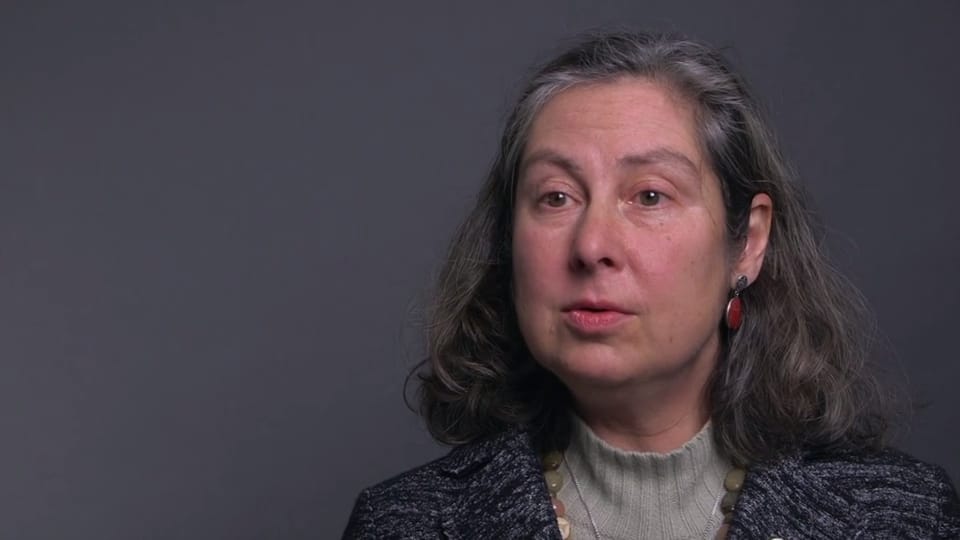
Watch: Start confronting abuse by believing victims
Pam Rubin, a women’s trauma counsellor and lawyer, explains why we need to start confronting abuse by believing victims.
How do I maintain my faith in Buddhist teachings?
Willa Blythe Baker, Josh Korda, and Tenku Ruff answer a practitioner’s question about losing faith in the institutions of Buddhism and the dharma itself.

Let’s Talk: Get Ready for Conflict
Genjo Marinello says sanghas must take steps to prepare for ethical breaches and conflicts before they happen.
Afrontando los abusos en las comunidades espirituales
Cuando la confianza que ponemos en un amigo espiritual, un maestro o una comunidad se ve comprometida, se ponen en riesgo muchas cosas. Vea la colección de artículos de Buddhadharma sobre cómo prevenir y abordar estos abusos de poder.
Rompiendo el silencio sobre la conducta sexual inapropiada
Willa Blythe Baker ofrece su dolorosa experiencia personal sobre la conducta sexual inapropiada por parte de un gurú. También brinda una recomendaciones para comunidades e individuos sobrevivientes de este tipo de abuso.
Cuando un maestro budista cruza la línea
La relación entre maestro y alumno en el budismo Vajrayana es intensa y compleja. Es fácil de malinterpretar e incluso puede ser mal utilizada. El respetado maestro tibetano Mingyur Rinpoche explica la ética en el Vajrayana, cómo encontrar un maestro genuino y qué hacer si un maestro se pasa de la raya.
El Buda te habría creído
En demasiadas comunidades budistas, no se les ha creído a las mujeres cuando revelan el daño causado por hombres. Bhikkhu Sujato mira al Vinaya y encuentra otro enfoque.

Poetry as Spiritual Practice
The boundary between spirituality and creativity is permeable. Three Asian American Buddhist poets share their inspiration.
The Five Remembrances
To change your life now and prepare for the inevitable, says Pamela Ayo Yetunde, regularly contemplate these five home truths.

Wheel of Time, Wheel of Peace
The Kalachakra empowerment was at the heart of the Global Peace Prayer Festival that just wrapped up in Bhutan. Andrea Miller explores the deep meaning of the Kalachakra.
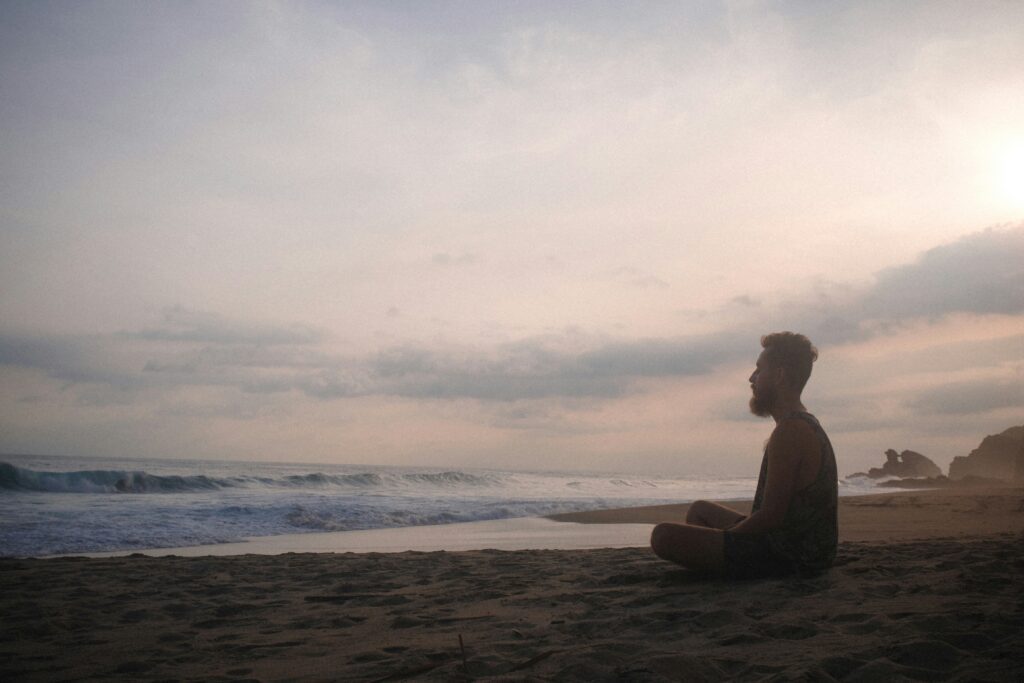
Let the “Nine Breaths of Purification” Clear Your Mind and Open Your Heart
Daniel Ahearn, LMFT, shares an article and accompanying video on the how and why of a practice he says offers "a gentle revolution, a way to clear what weighs us down, to reconnect with the body, and to remember that every breath offers a chance to begin again."
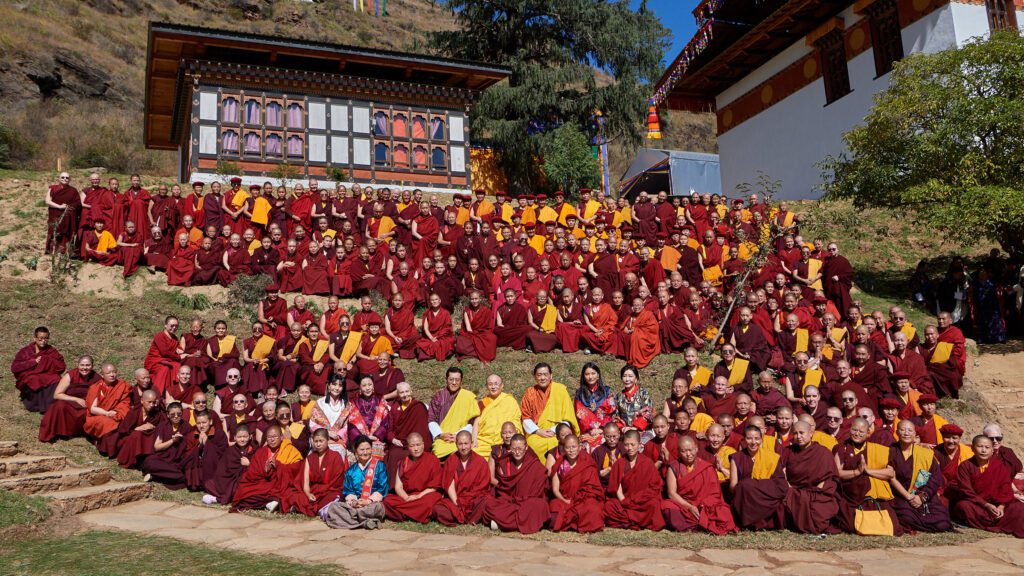
Bhutan Festival Marks Landmark for Buddhist Nuns
At the culmination of the Global Peace Prayer Festival, 265 nuns received full ordination. This is a profound step toward gender equality in spiritual leadership.
Living Buddhist Ethics
Looking primarily at the three sila aspects of the Buddha’s eightfold path—right action, right speech, and right livelihood—leading dharma figures explain how, as Buddhists in today’s world, we can live ethically, and in accord with what the dharma teaches.
Ethics, Meditation, and Wisdom
Norman Fischer on how sila, samadhi, and prajna work together to give us stability on the Buddhist path to liberation.
Understanding the Vinaya
Amy Paris Langenberg on the history, evolution, and modern manifestations of the training rules followed by Buddhist monastics.

Dukkha as a Doorway to Liberation
Scott Tusa on how Buddhist ethics transcend mere morality and help us to realize awakening.
The Six Dharmas of Naropa
Considered a fast track to buddhahood, the Six Dharmas are advanced tantric practices including tummo (inner heat), yoga of the dream state, resting in luminosity, and more. Featuring an overview by Pema Khandro Rinpoche, plus in-depth teachings by specialists in each of the Six Dharmas.
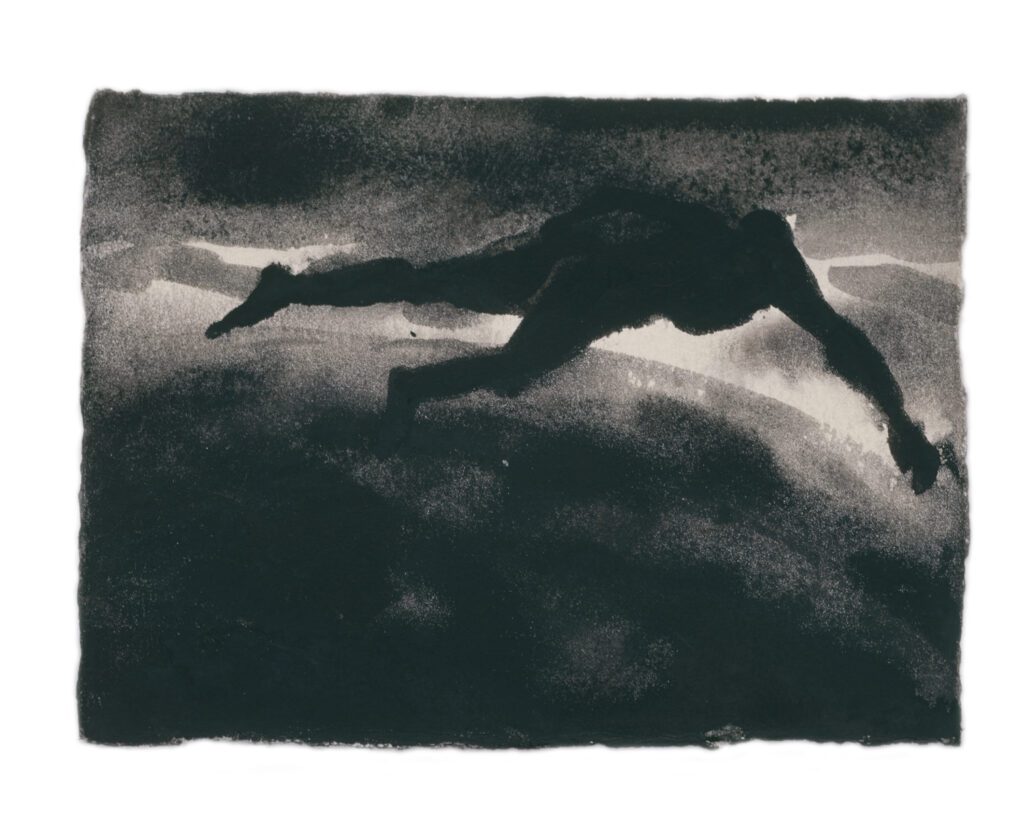
The Swift Path to Buddhahood
Pema Khandro on the fascinating history, practice, and purpose of the Six Dharmas of Naropa.
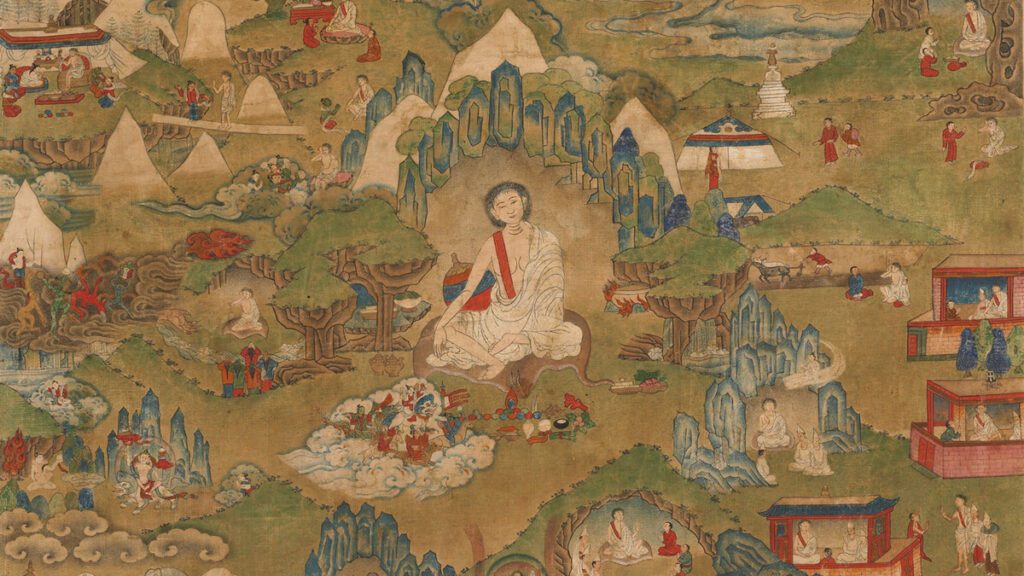
The Practice of Fierce Inner Heat
Judith Simmer-Brown on tummo, one of the most famous esoteric practices of Tibetan Vajrayana and the Six Dharmas. What is it, what are its benefits, and what role does it play in our journey to enlightenment?

A Wake-Up Call
Andrew Holecek on bardo, one of the Six Dharmas of Naropa’s two practices for helping us find our way, when the time comes, through the death experience. It can help us in life, too.
The Teacher & The Student
All about this most crucial of dharma relationships—what a teacher (ideally) is, how to know when one is right (or wrong) for you, how to be a student, understanding the guru-disciple bond in Vajrayana Buddhism, and more.

The Treasure of the Teacher
“You do the practice, you realize the way,” writes Norman Fischer. “And yet you must begin by finding a teacher you can have faith in.”
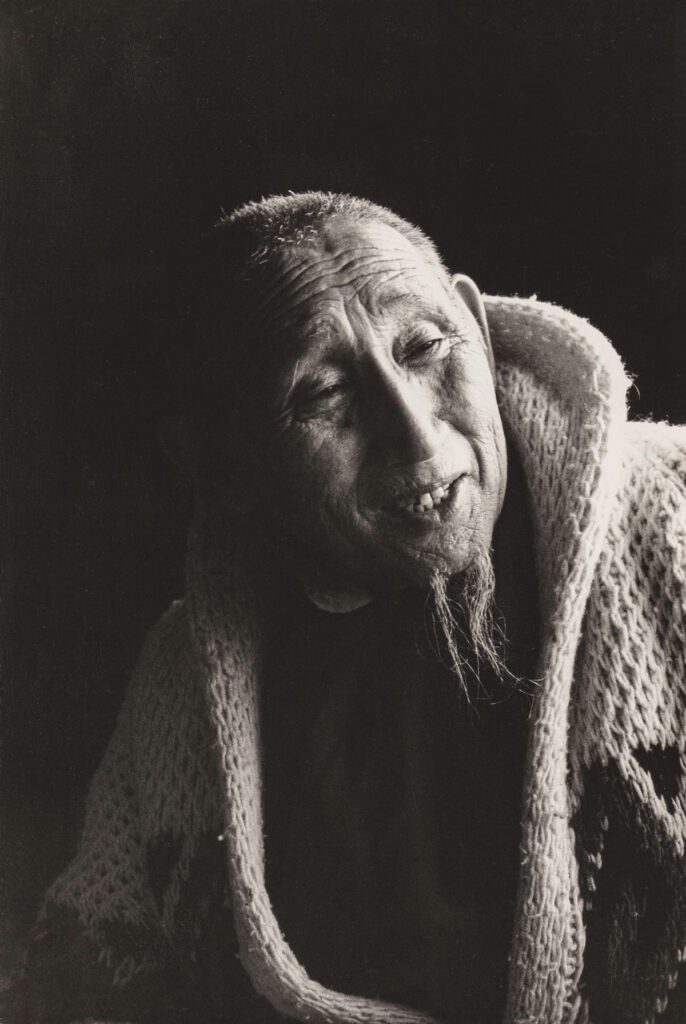
A Meeting of Minds
Anne C. Klein on the importance of listening, relating, and actively engaging with our teachers as the foundation for a genuine, transformative connection with them.
When You Are Ready…
Willa Blythe Baker on the many forms in which our teachers might manifest, including even our body and our community.
Buddhanature
Buddhanature is a Mahayana Buddhist concept that, while foundational, can sometimes be confounding. Here, great Buddhist thinkers of the present and past shine a prismatic light on buddhanature so that we might all better recognize the potential for awakening within.
Why Buddhanature Matters
Lopen Karma Phuntsho, writer-in-residence for Tsadra Foundation’s Buddha-Nature project, takes a look at the history and development of the Mahayana concept of buddhanature.

The World Between Breaths
Vanessa Zuisei Goddard on the famous Zen koan “Mu,” and how it helps us dive into buddhanature.
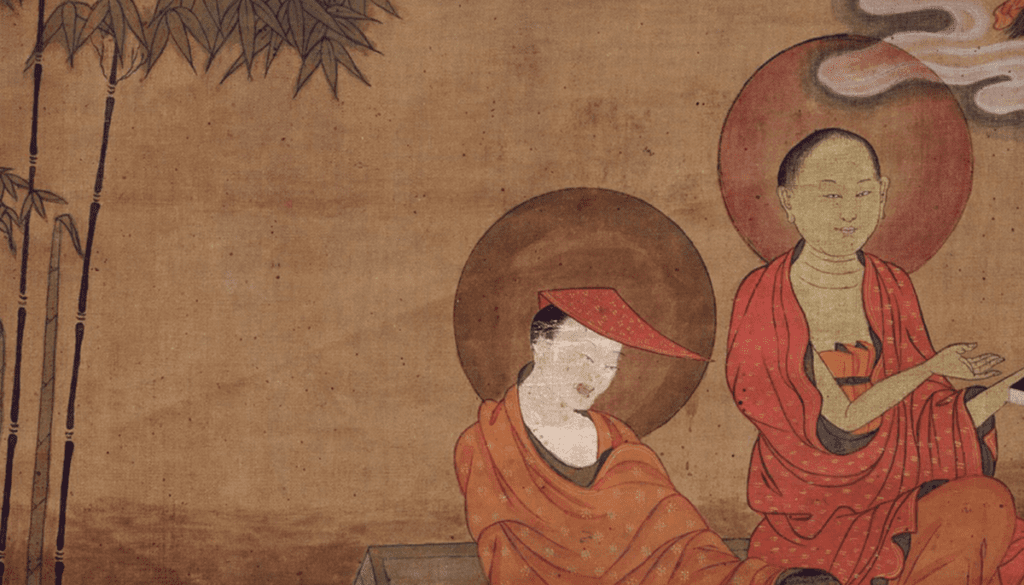
To Be or Not To Be? Be a Buddha!
Looking at the words of classical texts, Karl Brunnhölzl explores the notions of buddhanature and emptiness—how they may be understood as one and the same, and how they are not identical.